





Discovering useful technology tips every smartphone user should know can transform how you interact with your device. Many people treat their phone as a simple communication tool, yet it holds vast potential for productivity, security, and efficiency. By mastering these hidden features, you can save hours of time each week and ensure your digital life remains organized.
These practical adjustments go beyond basic navigation, helping you customize your experience to fit your specific daily needs. Whether you are using an Android or an iPhone, the following strategies provide the clarity and control necessary to get the most out of your hardware.
Optimizing Battery Longevity
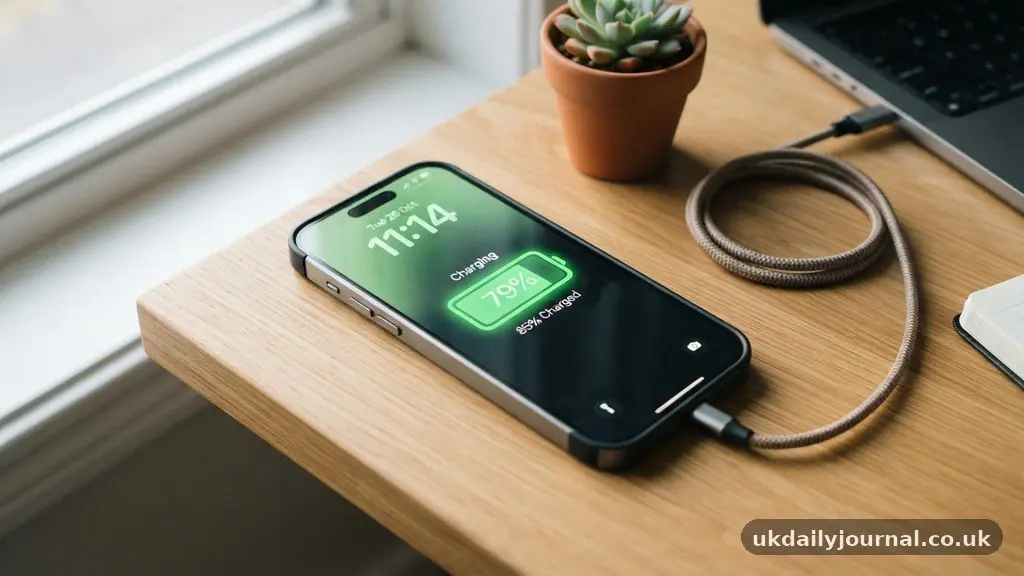
Battery health is one of the most critical aspects of owning a modern device. Most users do not realize that charging habits significantly impact the lifespan of their lithium-ion battery.
Instead of charging your phone to 100% every single time, try to keep your charge between 20% and 80%. This window prevents the chemical stress that occurs when a battery reaches its extreme capacity limits.
Many modern phones now include “Optimized Battery Charging” features within their software. Enabling this setting allows the device to learn your daily routine and delay finishing the charge until just before you typically wake up.
This prevents the phone from sitting at a full charge while plugged in overnight, which generates unnecessary heat. Heat is the primary enemy of battery longevity, so keeping your device cool during charging is essential.
| Action | Impact on Battery |
|---|---|
| Limiting charge to 80% | Reduces long-term chemical degradation |
| Using low power mode | Extends daily runtime by limiting background processes |
| Avoiding extreme temperatures | Prevents permanent capacity loss |
| Closing heavy background apps | Reduces CPU load and thermal output |
Mastering Security and Privacy Settings
Security should never be an afterthought for any mobile user. Your smartphone contains sensitive information, ranging from banking credentials to private conversations.
One of the most effective steps you can take is enabling two-factor authentication (2FA) across all your primary accounts. This adds a critical layer of protection that prevents unauthorized access even if someone discovers your password.
You should also regularly review your app permissions. Many applications request access to your microphone, camera, or location even when they do not need these features to function.
Navigate to your privacy settings to toggle these permissions off for any app that seems suspicious or unnecessary. For comprehensive guidance on protecting your digital identity, you can visit the Cybersecurity and Infrastructure Security Agency for official safety recommendations.
Utilizing Built-in Accessibility Shortcuts
Accessibility features are not just for users with specific impairments; they are efficiency tools for everyone. Almost every smartphone includes a hidden menu of shortcuts that can trigger specific actions with a simple gesture.
For example, you can configure your device to take a screenshot or toggle the flashlight by double-tapping the back of the phone. These physical shortcuts save time by removing the need to navigate through multiple menus on your screen.
You can also customize your text size, high-contrast modes, and magnification settings to reduce eye strain during long reading sessions. Many users find that increasing the font size slightly improves their reading speed and reduces the urge to squint at the screen. Take ten minutes to explore the accessibility menu in your settings; you will likely find at least three features that make your daily interaction with the device much more comfortable.
Organizing Your Digital Workspace
A cluttered home screen is a major source of unnecessary distraction. Research suggests that an organized digital workspace can actually improve your focus and reduce cognitive load throughout the day.
Start by grouping related apps into folders based on their function, such as “Finance,” “Communication,” or “Tools.” Placing your most frequently used apps on the primary home screen allows you to access them without searching through pages of icons.
Another effective strategy involves removing apps you haven’t opened in over a month. If an app doesn’t provide value, it is simply taking up storage and potentially running background processes that drain your battery.
Consider using your phone’s built-in “offload” feature, which removes the app while keeping its data intact, allowing you to reclaim space without losing your progress. A clean screen leads to a cleaner mindset.
Advanced Camera and Photo Management
Modern smartphone cameras are incredibly powerful, but most users only scratch the surface of what they can do. Using the grid lines feature in your camera settings is a simple way to improve your photography composition immediately.
By aligning your subjects along these lines, you can create more balanced and professional-looking images. Additionally, learning to lock your focus and exposure by long-pressing on the screen allows you to control the lighting in tricky environments.
Photo management is equally important for long-term satisfaction with your device. Instead of leaving thousands of photos in your main gallery, create shared albums for events or specific projects.
This helps you find memories faster and makes it easier to share them with friends or family. Regularly backing up your photos to a cloud service is the single best way to ensure you never lose your digital history if your device is damaged or lost.
Automating Repetitive Tasks
Automation is the secret weapon of power users. Both iOS and Android offer powerful automation tools that can handle mundane tasks for you.
For example, you can set your phone to automatically enable “Do Not Disturb” mode when you arrive at your office or start a specific workout playlist when your Bluetooth headphones connect. These small triggers eliminate the need for manual input throughout your day.
You can also set up text shortcuts for phrases you type often, such as your email address or a standard response to common questions. By typing a short code like “@@,” your phone can automatically expand it into your full email address.
These micro-efficiencies add up significantly over time, allowing you to focus your attention on more important tasks. Explore the “Shortcuts” or “Modes and Routines” sections in your device settings to see what is possible.
Maintaining Hardware Hygiene
Physical maintenance is just as important as software optimization. Your screen is a breeding ground for bacteria, and a quick clean with a microfiber cloth can make your display look brand new again.
Avoid using harsh household chemicals, which can strip away the protective oleophobic coating that prevents fingerprints from sticking to the glass. A slightly damp cloth is usually sufficient for most cleaning needs.
Check your charging port for debris, such as pocket lint, which can prevent a stable connection. If you notice your phone is not charging consistently, use a non-conductive tool like a wooden toothpick to gently clear the port.
This simple maintenance step often solves charging issues that users mistake for hardware failure. Treat your device with care, and it will remain a reliable partner for much longer.
Understanding Cloud Synchronization
Cloud synchronization ensures that your data is available wherever you go, but it requires careful management. You should be selective about what you sync to avoid hitting storage limits or consuming excessive data while away from Wi-Fi.
Check your sync settings to ensure that large files, like high-resolution videos, are only uploaded when you have a strong connection. This prevents your phone from struggling to maintain a background sync while you are trying to use other apps.
* Enable automatic backups for contacts and notes.
* Exclude large, non-essential folders from cloud sync.
* Review your cloud storage usage once a month.
* Keep your device synced with a secondary computer for extra security.
Frequently Asked Questions
What is the most effective way to clear storage space quickly?
The most effective way is to identify the apps that consume the most data. Go to your storage settings and look for the list of apps sorted by size. You can often clear the “cache” of these apps to reclaim significant space without deleting your personal files or account data.
Is it safe to leave my phone plugged in overnight?
Yes, modern smartphones are designed to manage power efficiently. Once the battery reaches 100%, the internal power management system stops drawing current from the charger. However, using a high-quality, certified charging cable is essential to prevent overheating or electrical issues.
How can I find out which apps are draining my battery?
Every smartphone has a battery usage menu in the settings. This section lists apps by their percentage of power consumption over the last 24 hours or the last week. If you notice a specific app is consuming a disproportionate amount of power, you may want to limit its background activity or delete it.
Why does my screen brightness change on its own?
Most phones have an “Adaptive Brightness” or “Auto-Brightness” feature. This uses the ambient light sensor to adjust the screen intensity based on your environment. While this saves battery and improves comfort, you can always disable it in your display settings if you prefer manual control.
Are there any hidden codes to test my phone’s hardware?
Yes, there are secret USSD codes for many devices that allow you to enter a diagnostic menu. These menus let you test the touchscreen, speakers, and sensors. However, be cautious when using these codes, as some can reset device settings or alter network configurations if you are not careful.
Conclusion
Mastering these useful technology tips every smartphone user should know is a journey toward a more efficient and secure digital life. By taking control of your device settings, managing your storage, and implementing small automations, you stop being a passive user and start becoming a power user. These changes do not require advanced technical knowledge, only a willingness to explore the menus already at your fingertips.
Start with one or two tips from this list today and observe how they change your daily routine. Once you feel comfortable, return to your settings to experiment with others.
Your phone is a powerful tool, and with a few minor adjustments, it will serve your needs much more effectively. Keep exploring, stay curious about your device’s capabilities, and enjoy the added convenience that comes with true digital mastery.