





Managing your digital footprint often feels like an impossible task when you have years of scattered documents and thousands of memories trapped on various devices. Learning how to organize your digital files and photos effectively is the most reliable way to reclaim your time, reduce digital anxiety, and ensure your important memories remain accessible for years to come. By implementing a consistent system now, you can stop the cycle of searching through endless folders and start enjoying your digital collection again.
The best way to start organizing your digital files and photos is to create a master folder structure and stick to it religiously. You should aim for a hierarchy that moves from broad categories to specific sub-folders, keeping your naming conventions predictable and descriptive. By dedicating just fifteen minutes a day to clearing out your downloads folder or sorting recent captures, you prevent the accumulation of digital clutter before it overwhelms your storage space.
Establishing a Consistent Folder Hierarchy
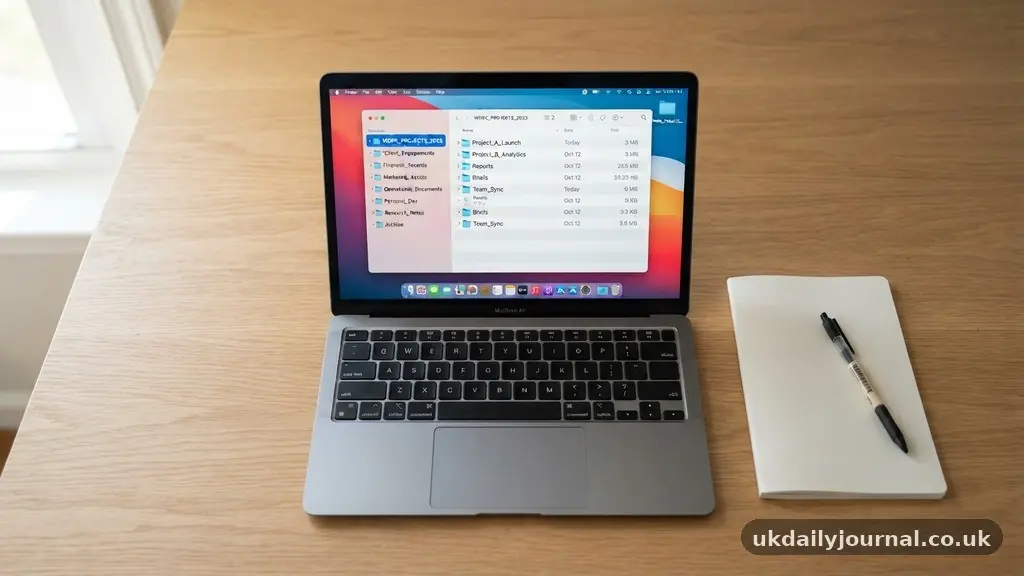
The foundation of any successful digital filing system is a logical, predictable folder structure that you can navigate without thinking. Start by creating a root folder on your computer or cloud drive labeled “Master Archive.” Within this, you should have high-level folders such as “Personal,” “Work,” “Financial,” and “Media.”
Once your main categories are set, break them down into sub-folders based on years or specific projects. For instance, a “Personal” folder should contain a sub-folder for “Photos,” which is further divided by year and then by event or month. This structure ensures that no file is ever more than four clicks away from your root directory.
Consistency is more important than perfection when you begin this process. If you decide that all personal documents should be labeled by date, such as YYYY-MM-DD, apply that format to every single file. This simple habit makes your files sortable by name and date automatically, regardless of the operating system you are using.
Naming Conventions for Easy Retrieval
File names are the primary tool you will use to find your documents years from now. Avoid generic names like “Document1.pdf” or “IMG_5432.jpg” which tell you nothing about the contents. Instead, adopt a descriptive naming convention that includes the date, the subject, and perhaps a version number if it is a working document.
A strong file name might look like “2023-10-15_Invoice_ElectricCompany.pdf” or “2024-05-20_FamilyReunion_GroupShot.jpg.” By placing the year first, your operating system will naturally sort your files chronologically. This is particularly helpful when you have thousands of photos that were taken over several decades.
If you have many versions of a document, use a suffix like “_v01” or “_final” to keep track of your progress. This prevents the common problem of having five different files on your desktop that all seem to be the most recent version. Keeping your naming clear ensures that your search tools actually work when you need them.
Managing Your Photo Library
Photos are usually the largest and most disorganized part of any digital collection. To tackle this, you must first centralize everything into one primary location, such as a dedicated photo management app or a single folder structure on your hard drive. Once everything is in one place, you can begin the process of deleting duplicates and blurry shots.
Use software tools to help you identify exact duplicates, which can save you gigabytes of storage space instantly. Many modern operating systems have built-in features for this, or you can use dedicated applications designed to scan your drives for redundant files. Removing these copies is the fastest way to make your library feel manageable again.
After you have cleared the clutter, organize your remaining photos by year and month. If you want to go a step further, add tags or keywords to significant images, such as “vacation,” “family,” or “project-work.” This metadata allows you to search for specific themes across your entire collection, even if the files are stored in different yearly folders.
Implementing a Reliable Backup Strategy
Organizing your files is meaningless if you lose them to a hardware failure or accidental deletion. You need a robust backup strategy that adheres to the 3-2-1 rule: keep three copies of your data, store them on two different types of media, and ensure one copy is kept off-site. This protects you from everything from coffee spills to home fires.
Cloud services provide a convenient way to keep an off-site backup that updates automatically. Many people use official guidance from government resources on data preservation to understand the importance of keeping critical records in secure, secondary locations. Whether you choose a consumer-grade cloud sync service or a specialized archival cloud, having an automated backup is essential.
Your local backup should ideally be an external hard drive that you connect periodically. If you work with large video files or high-resolution photos, a dedicated network-attached storage device might be a better investment. Regardless of the hardware, ensure that your backup runs at least once a week without requiring manual intervention.
Handling Digital Clutter on Your Phone
Your phone is often the entry point for most of your digital clutter. Because we take photos and save screenshots so frequently, these devices become bloated very quickly. Make it a habit to perform a “digital purge” at the end of every week, where you delete screenshots you no longer need and clear out temporary files.
Many phones now offer features to automatically offload older photos to the cloud, which helps keep your local storage free. You should review these settings to ensure your photos are syncing correctly and that you are not paying for cloud storage for files you have already deleted. Moving content off your phone into your main archive folder ensures your mobile device stays fast and responsive.
Consider turning off “auto-save” features for messaging apps if you find they are filling your camera roll with memes or low-quality images. These apps are notorious for dumping thousands of unwanted files into your gallery. By controlling what gets saved, you significantly reduce the amount of maintenance required to keep your photos organized.
Comparing Storage Solutions
Choosing the right place to store your organized data depends on your budget, speed requirements, and security needs. The following table compares common storage methods used to manage digital assets.
| Storage Method | Best For | Primary Advantage |
|---|---|---|
| Cloud Storage | Accessibility | Automatic syncing and off-site safety |
| External HDD | Large Archives | Low cost per gigabyte for massive backups |
| NAS Device | Home Networks | Centralized access for multiple users |
| Flash Drive | Quick Transfers | Portability for small, urgent files |
Cleaning Up Your Desktop and Downloads
The desktop and downloads folder are the two most common “black holes” in any digital filing system. Your desktop should be reserved for files you are actively working on today, not as a permanent storage area for every document you have ever touched. If a file stays on your desktop for more than a week, it probably belongs in your archive folder.
Create a “Sort” folder on your desktop to act as a temporary holding area. When you feel overwhelmed, move all your loose desktop icons into this folder. Once a week, process the contents of the “Sort” folder by moving each file into its proper home within your master archive structure.
Your downloads folder should be treated with even more suspicion. Most of the items in there are installers or one-time-use documents that can be safely deleted immediately after use. If you find yourself needing to keep a download, move it to the correct folder in your archive right away so your downloads folder remains empty.
Maintaining Your System Long-Term
The secret to keeping your digital life organized is not a one-time cleaning event, but a sustainable maintenance routine. Schedule a recurring appointment with yourself, perhaps on a Sunday evening, to review your new files. This prevents the “piling up” effect that makes digital organization feel like such a chore.
If you find that a specific folder structure isn’t working, change it. Your system should adapt to how you actually work, not how you think you should work. If you are constantly searching for a specific type of file, that file likely deserves its own dedicated folder at a higher level in your hierarchy.
Remember that tools can only do so much; the human element is what keeps the system alive. By staying disciplined with your file naming and your folder placement, you turn a chaotic mess into a library of information. This proactive approach saves you hours of frustration every single month.
Frequently Asked Questions
How do I start if I have ten years of photos to organize?
Do not try to organize everything in a single weekend. Start by organizing the current year, then work backward one year at a time. Breaking the task into small, manageable chunks prevents burnout and makes the process feel much less intimidating.
What should I do with files I am not sure about keeping?
Create a folder labeled “To Sort” and move all questionable files into it. If you haven’t opened or needed anything from that folder after six months, you can likely delete the entire folder without looking through the individual files. This is a safe way to clear space without the fear of losing something important.
Is it better to organize by date or by project?
For personal photos, date-based organization is almost always superior because it provides a clear timeline. For work-related files, project-based organization is usually more efficient because you are looking for specific deliverables. You can combine both by using a project folder that contains dated sub-folders.
How can I find duplicates across different drives?
Use specialized duplicate file finder software that allows you to compare files based on their digital signature or hash rather than just the file name. This ensures that you are only deleting exact copies, even if the files have different names or are stored in different locations. Always back up your data before running any mass-deletion tool.
What is the most secure way to store sensitive documents?
Sensitive documents, such as tax returns or legal contracts, should be encrypted if you are storing them on a cloud service. Many cloud providers offer built-in encryption, or you can use third-party software to create encrypted volumes. Always ensure your backup drive is also stored in a physically secure location like a fireproof safe.
Closing Thoughts on Digital Organization
Taking control of your digital life is an incredibly rewarding process that pays dividends every single day. By establishing a clear folder structure, using descriptive naming conventions, and maintaining a consistent backup routine, you protect both your precious memories and your important work. While the initial task of sorting through years of digital clutter may seem daunting, breaking the work into small, regular sessions makes it entirely achievable.
Remember that the goal is not to have a perfectly curated archive, but to have a system that works for your specific needs. Start today by creating your master folder, and you will find that organizing your digital files and photos becomes a natural part of your routine. If you stay consistent, you will never have to hunt for a missing file again.