




Finding simple ways to improve your digital privacy is a foundational step toward protecting your personal information in an increasingly connected era. You do not need to be a cybersecurity expert to regain control over your data, as most effective changes involve minor adjustments to your daily habits.
By implementing these practices, you limit the amount of sensitive information tracking companies and malicious actors can harvest from your online presence. This article outlines actionable strategies to secure your digital footprint effectively and efficiently.
Strengthening Your Passwords and Authentication
The first and most critical step in securing your information is moving away from weak, reused credentials. If you use the same password across multiple sites, a single breach elsewhere exposes your accounts to hackers.
You should adopt a password manager to generate and store unique, complex strings of characters for every service you access. These tools act as a digital vault, ensuring that you only need to remember one master password while the software handles the rest.
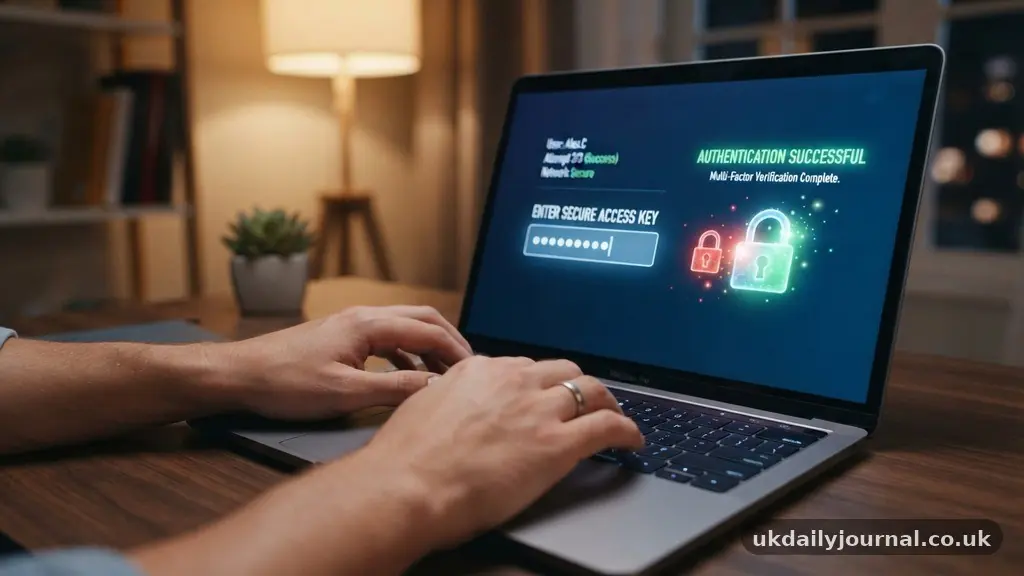
Enable multi-factor authentication, or MFA, on every account that supports it. This adds a layer of security that requires more than just a password to gain entry.
Even if an attacker manages to steal your credentials, they will still be blocked from your account without the second factor. Most modern services allow you to use an authenticator app, which is significantly more secure than receiving text message codes that can be intercepted.
Refining Your Browser Settings
Your web browser is the primary window through which you interact with the internet, and it is often the primary tool used for tracking your behavior. You should adjust your browser settings to automatically clear cookies and site data upon closing the application.
This prevents companies from building a persistent profile of your browsing habits over time. Many browsers now include built-in tracking protection that blocks third-party scripts by default.
Consider using a privacy-focused search engine rather than the standard defaults that prioritize ad targeting. These alternatives do not store your search history or link your queries to your personal identity.
You can also install privacy extensions, but be careful to choose reputable ones that are open-source and transparent. Regularly clearing your cache and history helps ensure that your digital footprint remains clean and minimizes the data stored locally on your device.
Managing App Permissions and Data Access
Applications installed on your smartphone often request access to features they do not need to function. You should regularly review the permissions list in your device settings to see which apps have access to your microphone, camera, contacts, and location.
If a calculator app asks for your location or contact list, it is a clear sign that the developers are harvesting data unnecessarily. Deny these requests whenever possible to keep your information private.
The following table highlights common mobile app permissions and why you should be cautious about granting them:
| Permission | Reason for Caution | Action to Take |
|---|---|---|
| Location | Enables persistent physical tracking | Set to “While Using” or “Never” |
| Contacts | Exposes your social network to third parties | Disable access for non-essential apps |
| Microphone | Potential for unauthorized audio recording | Check for active usage indicators |
| Camera | Risks privacy in sensitive locations | Restrict to specific photo/video apps |
Limiting Social Media Oversharing
Social media platforms are designed to encourage engagement through the sharing of personal details, yet this information is a goldmine for identity thieves. You should audit your privacy settings on these platforms to restrict who can see your posts and personal information.
Avoid posting your home address, phone number, or specific travel plans while you are still away from home. These details can be used to target you for scams or physical intrusion.
Think twice before participating in viral trends that ask for personal anecdotes or identifying details. Often, these “fun” quizzes are cleverly disguised methods to harvest answers to common security questions.
Keep your profile as locked down as possible, and regularly prune your friends list to ensure you are only sharing updates with people you actually know and trust. Your digital safety depends on minimizing the amount of searchable data available to the public.
Securing Your Home Network
Your home router is the gateway for every device in your house, making it a critical point of failure for your security. Start by changing the default administrative username and password to something unique that cannot be guessed by automated bots.
Ensure your Wi-Fi network uses WPA3 encryption, or at least WPA2, to prevent unauthorized users from sniffing your traffic. You can visit the Cybersecurity and Infrastructure Security Agency for further guidance on network hardening.
Consider setting up a guest network for visitors or smart home devices that might have weaker security protections. This isolates your main devices—like your laptop and phone—from potentially compromised hardware.
Regularly check for firmware updates for your router, as manufacturers frequently release patches for newly discovered vulnerabilities. A properly configured home network acts as a quiet, effective barrier against external threats.
Reducing Your Digital Footprint
Every account you have created over the years represents a potential risk if that service is hacked. You should proactively search for old accounts that you no longer use and delete them entirely.
The less data you leave scattered across the internet, the smaller your target surface becomes for data breaches. If you cannot delete an account, remove as much personal information from the profile as possible.
* Unsubscribe from newsletters that you no longer read.
* Request the removal of your information from data broker sites.
* Use email aliases when signing up for one-off services.
* Opt out of “personalized advertising” in your Google and Apple account settings.
* Disable “find my” features on devices when you are not using them.
Maintaining Device Hygiene
Your physical hardware requires as much attention as your software settings to ensure your data remains safe. Always keep your operating system updated, as these updates contain critical security patches that protect against the latest exploits.
Avoid using public charging stations or unsecured public Wi-Fi, as these can be used to inject malware into your device or intercept your data. Use a reputable VPN if you must connect to public networks while traveling.
Be mindful of the physical security of your devices as well. Use a strong PIN, passcode, or biometric lock that is difficult for others to guess or bypass.
If you lose your phone, having remote wipe capabilities enabled allows you to protect your sensitive information from afar. Treat your smartphone like a wallet; you wouldn’t leave it lying around in a public place, and you shouldn’t treat its digital contents with any less caution.
Understanding the Role of Encryption
Encryption is the secret language of digital safety, ensuring that your data remains unreadable even if intercepted. You should ensure that your messaging apps use end-to-end encryption, which means only you and the recipient can read the messages.
Avoid sending sensitive information like passwords or financial details through unencrypted email or SMS. Many modern platforms have this feature enabled by default, but it is worth checking the settings to be sure.
Encrypting your hard drive is another step that protects your data in the event your computer or phone is stolen. Both Windows and macOS offer built-in tools like BitLocker or FileVault that make this process straightforward.
Once enabled, your files are scrambled and can only be accessed with your login credentials. This is a simple, set-it-and-forget-it measure that significantly raises the bar for anyone trying to access your private life.
Frequently Asked Questions
Is it really necessary to use a paid password manager?
While free versions of reputable password managers exist, paid tiers often include extra features like secure file storage and emergency access. The most important thing is that you use a trusted tool rather than relying on browser-based password saving, which is often less secure.
Does using a VPN protect me from everything?
A VPN hides your IP address and encrypts your traffic, but it does not make you anonymous. It cannot protect you if you voluntarily give away personal information on a website or if you download malicious software. It is one tool in a broader privacy strategy.
How often should I change my passwords?
The old advice of changing passwords every few months is largely outdated. Instead, focus on using long, unique, and complex passwords for every account. You only need to change a password if you suspect the account has been compromised.
Are privacy settings on social media permanent?
No, platforms frequently update their interfaces and privacy policies, which can sometimes reset your settings to less restrictive defaults. It is a good practice to audit your privacy settings every few months to ensure they still reflect your preferences.
What is the most common way people lose their privacy?
Most privacy loss occurs through phishing—tricked into giving away credentials—or by reusing the same password across multiple platforms. By addressing these two issues alone, you eliminate a significant portion of your digital risk.
Securing Your Digital Future
Taking these steps to improve your digital privacy does not require a total lifestyle overhaul, but it does require consistency. By securing your accounts, cleaning up your devices, and being mindful of what you share, you build a protective layer around your personal life. These habits become second nature over time, turning privacy into a default state rather than a chore.
Start by picking one or two items from this list to implement today, and gradually work through the rest to create a more secure online presence. Your digital well-being is an ongoing project, but the peace of mind it provides is well worth the effort of these simple, effective changes.