



Learning the art of spotting fake websites before sharing your information is one of the most vital skills for anyone spending time online today. Cybercriminals work tirelessly to create digital traps that look identical to legitimate banking, shopping, and social media portals. By understanding the subtle patterns of these deceptive pages, you can protect your personal data from being harvested by bad actors.
This article provides a clear roadmap for identifying red flags, verifying authenticity, and keeping your digital identity secure. You will discover practical techniques to evaluate any link before you click, ensuring your browsing habits remain safe and your sensitive details stay private.
Check the Domain Name for Subtle Deception
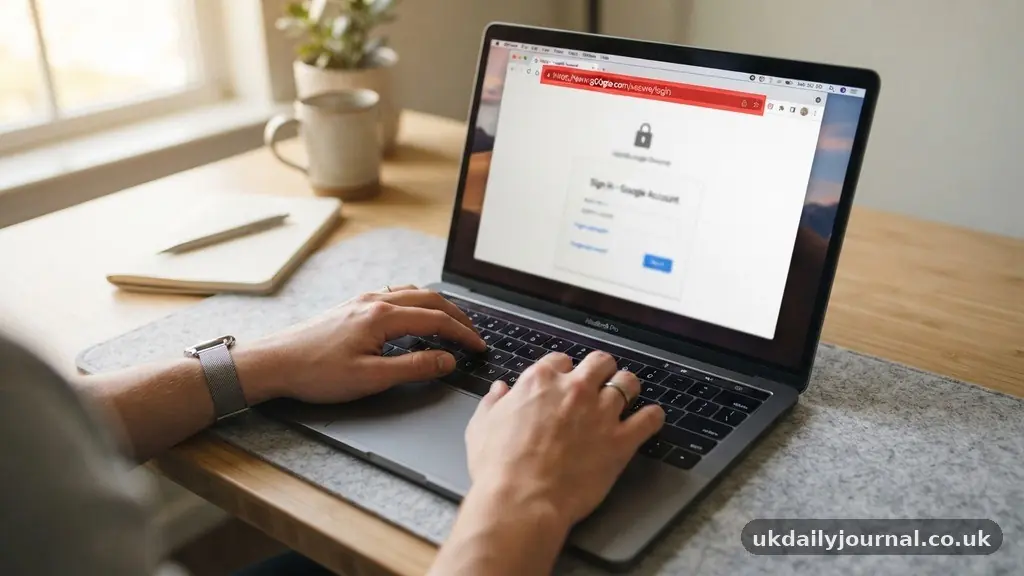
The most common tactic scammers use involves “typosquatting,” where they register a domain that looks almost identical to a famous brand. They might change a single letter, such as replacing an “m” with “rn” to make it look like “rn,” or swapping a “.com” for a “.net” or “.org.”
Always look closely at the URL in your browser’s address bar before you type in any credentials. If you are trying to visit a well-known retail site, check that the spelling is perfect and the extension is the one you expect.
Scammers often use subdomains to trick you into thinking you are on the right site. For example, a fake page might read “paypal.secure-login-update.com” rather than “paypal.com.” The actual domain here is “secure-login-update,” not PayPal.
The legitimate company name is merely being used as a lure at the start of the address. If you see a long, hyphenated string before the main brand name, treat it as a significant warning sign that the site is likely malicious.
Analyze the Quality of Web Design
Professional companies invest heavily in high-quality design, consistent branding, and error-free copy. A fake website, however, is often thrown together quickly to maximize the number of victims before it gets reported and taken down.
Look for pixelated logos, stretched images, or color schemes that feel slightly “off” compared to what you remember. These visual discrepancies are often the first sign that you are looking at a clone rather than the real entity.
Poor grammar and spelling mistakes are major red flags that indicate a lack of professional oversight. Legitimate businesses have teams of editors and quality control staff to ensure their public-facing content is polished.
If you find multiple typos, awkward sentence structures, or broken links on a site that claims to be a major financial institution, leave immediately. A real organization would never publish a page filled with linguistic errors or non-functional navigation buttons.
Verify Security Certificates and Encryption
Every secure website should use HTTPS encryption, which is indicated by the padlock icon in your browser’s address bar. While most modern fake websites also use HTTPS, the quality of their security certificates can differ.
You can click on the padlock icon to view the certificate details and see who the site is registered to. If the site claims to be a global bank but the certificate is issued to an unknown individual or a random company, you have found a scam.
It is important to understand that the presence of a padlock does not automatically mean a site is safe. It only means that the connection between your browser and the server is encrypted.
Phishing sites use these certificates to gain your trust and bypass basic security warnings. Always verify the domain name owner information if you have even a sliver of doubt about the site’s legitimacy.
Look for Contact and Physical Address Information
A legitimate business will always provide clear, accessible ways to contact their support team. Look for a dedicated “Contact Us” or “About Us” page that includes a physical mailing address, a functional phone number, and a professional email address.
If the only way to reach them is through a generic web form, be extremely skeptical of their motives. Scammers rarely want to be reachable by phone, as it increases the chance of them being caught.
You can verify the physical address by typing it into a map service like Google Maps. If the address points to an empty lot, a residential home, or a completely unrelated business, it is a clear sign of fraud.
Real companies want you to know where they are located. If the site lacks any transparency regarding its identity or headquarters, you should never share your information there.
Beware of Urgent or Threatening Language
Cybercriminals rely on creating a sense of panic to bypass your critical thinking. You might receive an email or see a pop-up on a website claiming that your account is locked, a transaction is pending, or you have won a prize that you must claim immediately.
This pressure is designed to make you act without checking the URL or verifying the source. If a website or email demands immediate action, pause and take a breath.
Legitimate organizations will provide you with a way to resolve issues through their official app or by logging into their known website directly. They will almost never send you a direct link in an email that asks you to enter your login credentials immediately. If you are worried about an account issue, navigate to the company’s website by typing the address manually into your browser rather than clicking a link provided in a message.
Compare Official Data Against Suspicious Sites
To help you distinguish between legitimate and fake portals, the following table compares common characteristics found on each type of site. Keeping these differences in mind can help you spot issues early.
| Feature | Legitimate Website | Fake/Phishing Site |
|---|---|---|
| URL Structure | Clean and matches the brand exactly | Misspelled, hyphenated, or strange domain |
| Content Quality | Professional, error-free text | Frequent typos and broken images |
| Contact Info | Physical address and working phone | Missing or fake contact details |
| Security | Verified, recognized SSL certificate | Basic or domain-validated only |
Utilize Third-Party Verification Tools
There are several ways to check a site’s reputation before you interact with it. You can copy the URL and paste it into a site checker to see if it has been reported by other users.
For example, you can use the Google Safe Browsing transparency report to check if a specific page is currently flagged for malicious activity. These tools aggregate data from millions of users to identify threats in real-time.
You should also look for reviews of the service or company on independent platforms. If a site is a scam, there is a high probability that someone else has already been targeted and posted a warning online.
Search for the company name followed by the word “scam” or “complaints” to see what others are saying. If you find a pattern of negative feedback, it is safer to avoid that platform entirely.
Common Indicators of Phishing Attempts
Phishing is a specific type of attack where the goal is to steal your credentials by tricking you into visiting a site that mimics a real one. These attacks often arrive via email, text message, or social media. By staying aware of the common tactics used in these scams, you can protect yourself and your family.
- Requests for sensitive information like passwords or social security numbers.
- Generic greetings like “Dear Customer” instead of your actual name.
- Links that redirect you to a different domain than the one displayed.
- Offers that seem too good to be true, such as massive discounts or free gifts.
- Unexpected attachments that prompt you to download a file to “view” your account.
Frequently Asked Questions
Can a fake website steal my information just by visiting it?
While most phishing sites require you to enter data into a form, some malicious sites can use “drive-by downloads” to infect your device with malware just by loading the page. This is why keeping your browser and operating system updated is critical. Never ignore security patches, as they often fix vulnerabilities that hackers exploit.
What should I do if I accidentally shared information on a fake site?
If you suspect you have entered credentials on a fraudulent page, change your password on the legitimate site immediately. If you entered credit card information, contact your bank to freeze your card and report the fraud. Monitor your accounts closely for any unauthorized transactions over the next several months.
Are fake websites only targeting banking accounts?
No, scammers target any platform where they can extract value. This includes social media profiles, email accounts, online shopping portals, and even job application sites. Always treat any request for sensitive information with caution, regardless of the platform you are using.
How can I tell if an email link is safe before clicking?
Hover your mouse cursor over the link without clicking it. A small box will appear in the corner of your browser or email client showing the actual URL destination. If the link destination does not match the text of the link, or if it points to a suspicious domain, do not click it.
Is it safe to use a public Wi-Fi network?
Public Wi-Fi is often unencrypted, which makes it easier for hackers to intercept your traffic or redirect you to fake versions of popular websites. Use a reputable VPN if you must access sensitive accounts while away from home. Whenever possible, stick to your cellular data connection for banking or shopping.
Maintaining Your Digital Safety
Spotting fake websites before sharing your information is a proactive step that significantly lowers your risk of becoming a victim of identity theft. By consistently checking the URL, evaluating the site’s design quality, and verifying contact details, you build a strong defense against digital fraud. Remember that technology will continue to evolve, and scammers will find new ways to deceive, but a skeptical and observant mindset remains your best tool.
If you ever feel uncertain about a site, trust your gut and navigate away. There is no harm in double-checking the authenticity of a page, but the consequences of sharing data with a scammer can be long-lasting.
Stay informed, keep your software updated, and share these safety tips with friends and family. Your awareness helps build a safer online environment for everyone.