





Adopting simple Money-Saving Habits That Can Reduce Monthly Expenses is one of the most effective ways to regain control over your financial life without feeling deprived. By making small, intentional adjustments to your daily routine, you can significantly lower your overhead and free up cash for your long-term goals. These changes do not require a massive overhaul of your lifestyle; instead, they focus on consistency and awareness.
When you track where your money goes, you naturally start making better decisions about your spending. This article provides practical, actionable strategies to help you lower your costs and build a healthier relationship with your bank account.
Audit Your Recurring Subscriptions
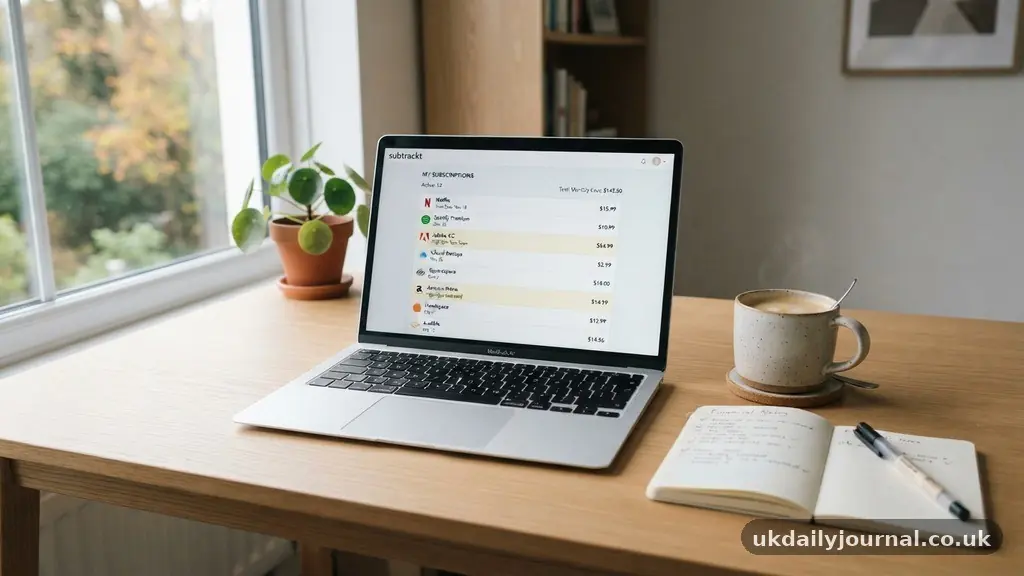
The most common culprit for “leaky” finances is the accumulation of monthly subscriptions that you no longer use. Many people sign up for streaming services, fitness apps, or software memberships and forget they exist after the initial free trial expires. These small, automated charges can easily add up to hundreds of dollars per year.
To fix this, log into your banking app and scan your transaction history for the last three months. Look for recurring charges that happen on the same day every month.
If you find services you haven’t touched in weeks, cancel them immediately. You can always resubscribe later if you genuinely miss the content.
Managing Digital Memberships
Consider using a dedicated app or a simple spreadsheet to track your renewal dates. This visibility helps you decide if a service is truly worth the price before the next billing cycle hits. For instance, if you have three different movie streaming platforms, try rotating them.
Keep one for a month, watch what you want, cancel it, and then switch to another. This simple habit keeps your monthly expenses low while still providing access to the entertainment you enjoy. It is a painless way to trim your budget without sacrificing your downtime.
Optimize Your Grocery Spending
Food is often the largest flexible expense in a household, making it the perfect target for cost-cutting. Planning your meals before you head to the store prevents impulse buys and reduces food waste. When you shop with a strict list, you are less likely to toss expensive, non-essential items into your cart.
Try to build your meals around staple ingredients that are versatile and affordable, such as rice, beans, frozen vegetables, and seasonal produce. Buying in bulk for items you use frequently, like grains or pantry goods, can also save you a significant amount over the course of a year.
| Spending Habit | Estimated Annual Savings |
|---|---|
| Meal prepping lunches | $1,500 – $2,000 |
| Buying generic brands | $500 – $800 |
| Reducing food waste | $300 – $600 |
| Limiting coffee shop visits | $400 – $700 |
Master the Art of Energy Efficiency
Your utility bills can fluctuate wildly depending on your habits, but you have more control than you might think. Simple actions like adjusting your thermostat by just a few degrees can lead to noticeable differences in your monthly costs. During winter, wearing a sweater indoors allows you to lower the heat, while using fans in the summer reduces the load on your air conditioning.
You should also ensure that your home is properly sealed to prevent drafts, which forces your heating or cooling system to work harder. Switching to LED light bulbs is another low-effort change that pays for itself quickly through lower electricity consumption.
Small Changes, Big Impact
Unplugging electronics when they are not in use is a habit that prevents “vampire power” drain. Many devices continue to draw electricity even when they are turned off, which adds up over time. If you have a home office, consider plugging your computer, monitor, and printer into a power strip.
With one flip of a switch, you can ensure that all your devices are completely disconnected from the grid at the end of the day. These minor adjustments require almost no time but contribute to a leaner household budget.
The Power of Generic Brands
Many consumers fall into the trap of believing that name-brand products are inherently superior to store-brand alternatives. In reality, many generic items are manufactured in the same facilities and contain identical ingredients to their more expensive counterparts. When you walk through the grocery store, compare the labels of the name-brand product with the store brand.
You will often find that the nutritional content or the chemical composition is exactly the same. By making the switch to store brands for pantry staples, cleaning supplies, and over-the-counter medications, you can save 20% to 30% on your total bill.
- Switch to store-brand spices and baking supplies.
- Buy generic cleaning sprays and paper products.
- Choose store-brand medications for common ailments.
- Opt for generic pantry staples like flour, sugar, and pasta.
- Look for “house” labels on frozen produce and canned goods.
Limit Impulse Purchases
Impulse spending is often driven by emotional triggers rather than actual need. To combat this, implement a “cooling-off” period for any non-essential purchase over a certain dollar amount. If you see something you want, wait 48 hours before buying it.
Often, the urge to purchase will fade, and you will realize you didn’t need the item in the first place. This strategy helps you distinguish between true necessities and fleeting desires. It creates a necessary buffer that protects your bank balance from the consequences of emotional shopping.
Refinance and Negotiate Rates
You might be paying more for your debt and services than is necessary. High-interest credit card debt can quickly spiral, but you can explore options like balance transfer cards or personal loans with lower interest rates to consolidate your debt. Additionally, do not be afraid to call your service providers—such as your internet, insurance, or mobile phone company—to negotiate your rates.
Often, these companies have “retention” departments that can offer discounts if you simply ask. Mentioning that you are considering switching to a competitor can sometimes unlock better pricing for loyal customers. You can learn more about managing your debt effectively through the Consumer Financial Protection Bureau.
Automate Your Savings Goals
The best way to ensure you save money is to make the process automatic. Set up your bank account so that a portion of your paycheck goes directly into a high-yield savings account before you even see it in your checking account. When savings happen in the background, you learn to live on what remains, which prevents overspending.
This “pay yourself first” approach is a cornerstone of building long-term financial security. Even if you start with a small amount, the habit of consistency is far more important than the initial sum. Over time, these automated contributions grow into a substantial safety net.
Prioritize Low-Cost Hobbies
Entertainment does not have to be expensive to be enjoyable. Many people spend significant portions of their monthly budget on outings, events, and paid activities. You can shift your focus toward hobbies that are free or very low-cost, such as hiking, reading library books, or learning a new skill online.
Inviting friends over for a potluck dinner or a game night is often more meaningful—and certainly cheaper—than going out to a restaurant. By finding joy in simple, shared experiences, you reduce the pressure to spend money on high-priced entertainment. This change in perspective can be one of the most rewarding parts of managing your expenses.
Frequently Asked Questions
What is the most effective way to start saving money?
The most effective starting point is tracking your spending for one month. You cannot reduce what you do not measure, so write down every single expense to identify where your money is leaking. Once you see the patterns, you can make informed decisions about what to cut.
How can I avoid impulse buys while shopping?
Always shop with a list and a strict budget. If you are shopping online, remove your saved credit card information from your browser so you have to manually enter it each time. That extra step provides a moment to reconsider whether the purchase is truly necessary.
Is it worth spending time to save small amounts?
Yes, because small savings compound over time. Saving $5 a day might seem insignificant, but it adds up to over $1,800 in a year. That money can be used to pay off high-interest debt or build an emergency fund, which prevents even larger financial problems later.
What should I do if I have too much debt?
Focus on the debt with the highest interest rate first, as this is the most expensive to carry. You can also explore debt consolidation or speak with a non-profit credit counselor to create a manageable repayment plan. The key is to stop adding to the debt while you work on paying down the existing balance.
How often should I review my budget?
Review your budget at least once a month. This keeps your financial goals at the forefront of your mind and allows you to adjust your spending if you went over budget in a specific category. Consistency is the secret to long-term success.
Conclusion
Adopting simple Money-Saving Habits That Can Reduce Monthly Expenses is a journey that rewards you with peace of mind and greater financial freedom. You do not need to change your entire life overnight; just start with one or two of the strategies mentioned, such as auditing your subscriptions or automating your savings. Every dollar you keep in your pocket is a step toward building a more stable future.
Remember that the goal is not to live in poverty, but to live with intention. By aligning your spending with your values, you ensure that your resources are supporting the things that truly matter to you. Start small today, stay consistent, and watch how your financial situation improves over time.