


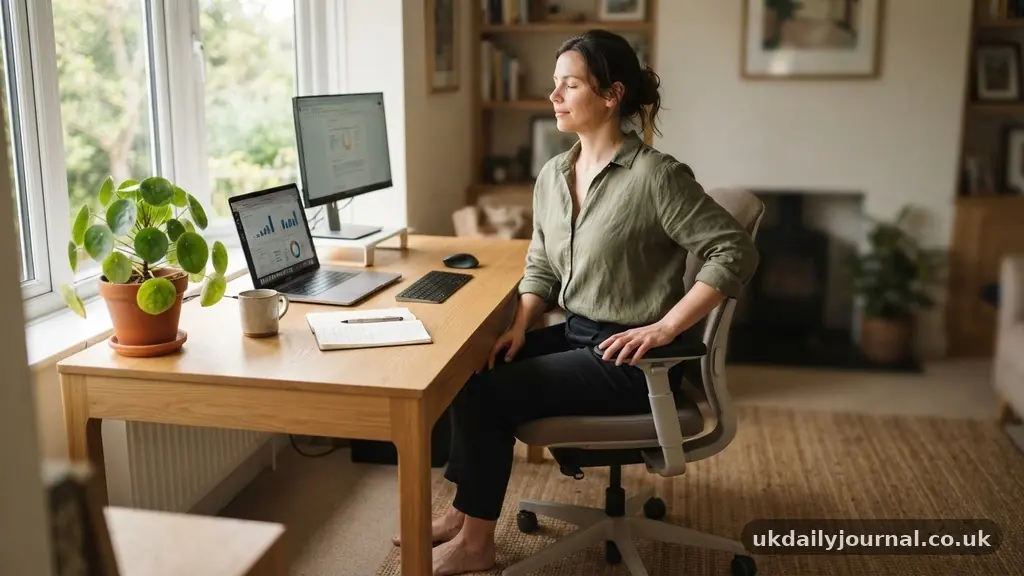
Finding easy ways to stay active when you work from home is essential for maintaining your long-term health and preventing the physical stagnation that often accompanies remote roles. Many professionals find that the lack of a commute and the convenience of a home office inadvertently lead to hours of uninterrupted sedentary time.
By integrating simple movement patterns into your daily routine, you can boost your energy levels and focus without needing a dedicated gym membership. This article explores practical strategies to help you stay physically engaged and productive throughout your day, ensuring that your home office supports your overall well-being.
Micro-Movements During Business Hours
The most effective strategy for maintaining activity is to avoid long, unbroken stretches of sitting. Instead of forcing yourself to complete a full workout in one go, break your movement into small, manageable chunks that fit naturally into your schedule.
Setting a timer for every 50 minutes can serve as a helpful prompt to stand up and move around your space. Even two minutes of walking or light movement can reset your posture and improve circulation after a long period in your chair.
When you stand up, try to perform a few simple movements that target the muscles most affected by desk work. Focus on your neck, shoulders, and lower back, as these areas often hold the most tension during a standard workday.
You might try gentle shoulder rolls, torso twists, or reaching toward the ceiling to lengthen your spine. These small habits are the easiest ways to stay active when you work from home because they don’t require changing clothes or finding extra time.
Optimizing Your Workspace for Movement
Your physical environment plays a significant role in how much you move during the day. If you have the space, a height-adjustable desk allows you to alternate between sitting and standing, which naturally encourages more muscle engagement.
If a standing desk isn’t in your budget, you can use a high counter or even a stack of sturdy books to create a temporary standing station. The goal is to change your physical position frequently rather than remaining static for hours.
Consider your seating arrangement as well, as your chair can influence your posture and activity levels. Many people find that using an exercise ball as a seat for short intervals helps engage their core muscles.
While you shouldn’t sit on a ball all day, using it for 20 to 30 minutes can break up the monotony of a traditional office chair. Ensure your workspace is set up to encourage natural transitions between different postures throughout your day.
Stretching Routines for Desk Workers
Stretching is one of the most accessible forms of physical activity for anyone working from home. You don’t need a yoga mat or a special room to perform effective stretches that alleviate muscle stiffness.
Focusing on your hip flexors, chest, and neck can counteract the “hunched” posture that develops from staring at a screen. Try to incorporate a brief three-minute routine during your lunch break or during a lull between meetings.
Key Stretches to Practice
- Neck tilts to release tension from staring at your monitor.
- Chest openers by pulling your arms back to combat rounded shoulders.
- Seated cat-cow stretches to mobilize your spine while in your chair.
- Standing quad stretches to prevent tightness from prolonged sitting.
- Calf raises to improve blood flow in your legs.
These movements help you stay physically connected to your body even when your mind is focused on professional tasks. By making these stretches a habitual part of your day, you reduce the risk of developing chronic pain. They act as a physical reset button, allowing you to return to your work with a clearer head and less physical discomfort.
The Benefits of Active Commuting
Even when you work from home, you can simulate the activity of a commute to bookend your workday. Use the time you would have spent driving or taking public transit to go for a brisk walk around your neighborhood.
This creates a psychological and physical boundary between your personal life and your professional responsibilities. Starting your day with a morning walk helps you wake up your body and prepare for the tasks ahead.
If you prefer to end your day with activity, a sunset walk is a fantastic way to decompress. It signals to your brain that the workday is finished, helping you transition into your evening routine more effectively.
Consistency is more important than intensity when you are building these habits. Even a 15-minute walk outside can contribute significantly to your daily step count and overall health.
Data Comparison of Movement Options
To understand the impact of different activities, it is helpful to look at how they compare in terms of effort and accessibility. Not every activity requires a high level of exertion to be beneficial for your health. The following table highlights common methods for integrating movement into a remote work schedule.
| Activity Type | Effort Level | Best Time to Perform | Primary Benefit |
|---|---|---|---|
| Light Stretching | Low | Between meetings | Reduces muscle tension |
| Brisk Walking | Moderate | Before/After work | Cardiovascular health |
| Standing Desk Use | Low | During focused work | Posture improvement |
| Bodyweight Exercises | High | Lunch break | Strength building |
Each of these options offers unique advantages depending on your goals and your current level of physical fitness. You can mix and match these approaches to keep your routine interesting and sustainable. Remember that the best method is the one you will actually stick to on a busy Tuesday afternoon.
Utilizing Household Chores as Exercise
Household chores provide a sneaky way to keep moving without feeling like you are doing a formal workout. Tasks like vacuuming, folding laundry, or tidying up your home office require physical effort that adds up over time.
Instead of waiting for the weekend to tackle these items, try spreading them throughout the week. Doing ten minutes of cleaning during a conference call where you don’t need to be on camera is a great way to stay active.
This approach turns mundane maintenance into a tool for your physical health. You are accomplishing two goals at once: keeping your environment clean and preventing your muscles from becoming dormant.
This mindset shift makes it easier to stay active when you work from home because you are reframing necessary tasks as opportunities for movement. It removes the pressure of needing a perfect, hour-long workout session.
The Role of Hydration and Movement
Staying well-hydrated is a simple but overlooked way to encourage more movement during your workday. Drinking plenty of water means you will need to get up from your desk more frequently to use the restroom or refill your glass.
This creates a natural, recurring break that forces you to step away from your screen. It is a biological nudge that supports both your physical hydration and your need to keep moving.
Keep a reusable water bottle at your desk to ensure you always have access to water without needing to walk to the kitchen constantly. However, using a smaller glass can actually work in your favor by necessitating more trips to the sink.
These small, forced breaks are effective because they are built into your physiological needs. By prioritizing your hydration, you are simultaneously prioritizing your physical activity levels.
Managing Energy Levels Naturally
Energy management is just as important as time management when you are based at home. When you feel a midday slump, your instinct might be to reach for more caffeine or a sugary snack.
Instead, try a quick burst of physical activity to naturally wake up your system. Five minutes of jumping jacks, squats, or even dancing to your favorite song can provide an immediate energy boost.
According to the Centers for Disease Control and Prevention, regular physical activity is a cornerstone of maintaining long-term health and preventing chronic illness. By choosing movement over sedentary distractions, you are investing in your future self.
This approach helps you avoid the common pitfalls of remote work, such as fatigue and mental burnout. Listen to your body and respond to signs of lethargy with movement rather than stimulants.
Frequently Asked Questions
How can I stay active if I have a very busy schedule?
Focus on integrating movement into the tasks you already do. Take phone calls while walking around the room, perform calf raises while waiting for the coffee to brew, or use your lunch hour for a quick walk rather than scrolling through your phone.
What is the 3-3-3 rule for exercise?
The 3-3-3 rule is a simple framework suggesting you do three minutes of movement every three hours, or three simple exercises for three minutes each. It is designed to be highly accessible and ensures you aren’t sitting for too long at any given time.
How do I prevent burnout while working from home?
Burnout is often linked to the lack of clear boundaries between work and rest. Physical activity acts as a transition ritual that helps define the end of your day. Prioritize regular movement to manage stress and keep your energy levels stable.
Is it better to do one long workout or many short ones?
For most people working from home, many short bursts of activity are more sustainable and effective at preventing the negative health impacts of prolonged sitting. The goal is to keep your body moving throughout the day rather than being sedentary for eight hours and then working out once.
Do I need expensive equipment to stay active?
Not at all. Your own body weight is the most effective tool you have for staying active. Simple movements like squats, lunges, and stretches require zero equipment and can be done in any room of your house.
Building Your Sustainable Routine
Developing easy ways to stay active when you work from home is a process of trial and error rather than a rigid set of rules. Start by picking one or two habits from this list and practicing them consistently for a week.
Once those feel natural, you can layer in additional movements or challenges to keep your routine engaging. The objective is to cultivate a lifestyle that feels good and supports your work, rather than one that feels like another chore on your list.
As you become more comfortable with these small changes, you will likely notice improvements in your concentration, mood, and overall physical comfort. Remote work offers a unique opportunity to design your environment and schedule in a way that prioritizes your health.
Take advantage of this flexibility by making movement a non-negotiable part of your daily rhythm. By staying active when you work from home, you ensure that your career and your well-being can thrive together.