USA Today Crossword Puzzle: Complete Daily Guide, Tips, and Solving Strategies
The USA Today crossword puzzle is one of the most popular daily word games enjoyed by millions of readers worldwide. Unlike difficult traditional crosswords, it offers a balanced challenge that is accessible, engaging, and mentally stimulating.
Whether you are a beginner exploring puzzles for the first time or a regular solver looking to improve speed and accuracy, understanding how this crossword works can greatly enhance your experience.
This complete guide explains everything about the USA Today crossword puzzle, including how to access it, solving strategies, clue types, and practical tips to become faster and more confident.
What Is the USA Today Crossword Puzzle?
The USA Today crossword puzzle is a daily word puzzle published by USA Today, designed to be approachable, modern, and enjoyable for a wide audience.
Unlike many traditional crosswords, it focuses on:
- contemporary vocabulary
- pop culture references
- clear clue wording
- beginner-friendly difficulty
As a result, it attracts both casual players and dedicated puzzle enthusiasts.
Why the USA Today Crossword Is So Popular
Several factors explain its widespread appeal.
First, the puzzle maintains a consistent difficulty level. Therefore, beginners do not feel overwhelmed. At the same time, experienced solvers still enjoy the challenge.
Additionally, clues often include modern topics such as entertainment, technology, and current culture. Consequently, younger audiences find it relatable.
Moreover, the puzzle is available both online and in print. This flexibility allows users to solve it anywhere, whether on a phone, tablet, or newspaper.
How to Play the USA Today Crossword Puzzle
Understanding the basic structure helps you solve more efficiently.
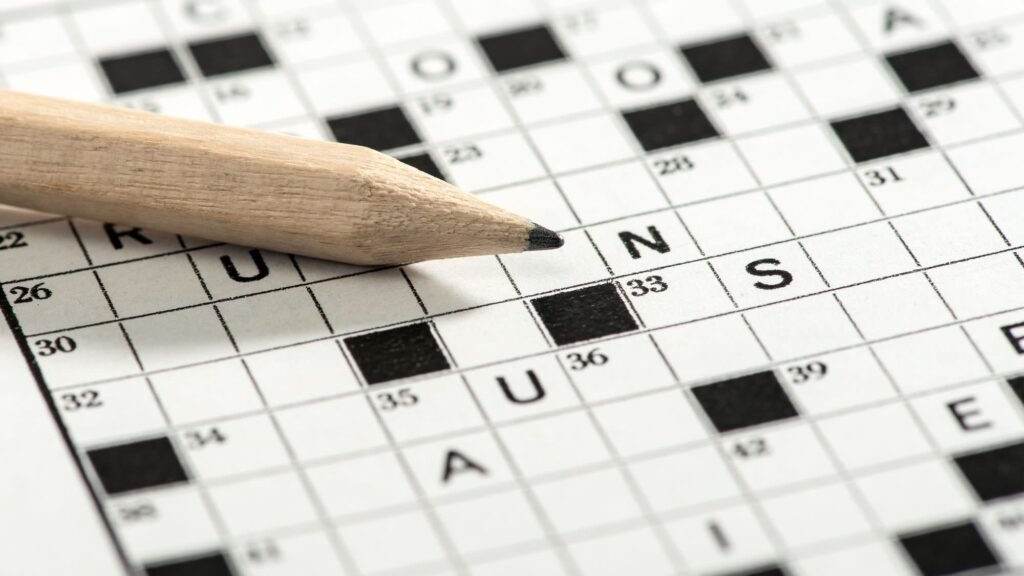
A crossword grid contains white and black squares. White squares hold letters, while black squares separate words. Each answer corresponds to a clue numbered either “Across” or “Down.”
For example:
- Across clues fill horizontally
- Down clues fill vertically
Because answers intersect, solving one word often reveals letters for another. Therefore, progress accelerates as the grid fills.
Where to Access the USA Today Crossword
There are several convenient ways to play daily.
Most commonly, readers access the puzzle directly through the official USA Today website. Additionally, the print newspaper includes the daily crossword section.
Meanwhile, mobile users often prefer digital access because it allows:
- instant checking
- hint options
- automatic letter entry
As a result, online solving has become increasingly popular.
Types of Clues in USA Today Crossword Puzzles
Recognizing clue styles significantly improves solving speed.
1. Straight Definition Clues
These are the simplest clues because they directly define the answer.
Example:
“Large ocean mammal” → WHALE
Since wording is literal, beginners usually start here.
2. Fill-in-the-Blank Clues
These clues provide partial phrases.
Example:
“___ and behold” → LO
Because common expressions are used, answers are often short.
3. Synonym Clues
Here, the clue suggests a similar meaning.
Example:
“Happy” → GLAD
However, multiple synonyms may exist. Therefore, crossing letters help confirm the correct one.
4. Abbreviation Clues
If the clue contains an abbreviation, the answer typically matches.
Example:
“Dept. head” → MGR
Recognizing this pattern prevents confusion.
5. Wordplay or Cultural Clues
USA Today crosswords often include pop culture references.
For instance:
“Famous wizard boy” → HARRY
Because modern references appear frequently, familiarity with culture helps.
Effective Strategies to Solve Faster
Solving crosswords efficiently requires method rather than luck.
Start With Easy Clues
First, scan for obvious answers such as short words or fill-in-the-blank clues. These provide anchor letters. Consequently, harder words become easier.
Use Crossing Letters
Whenever uncertain, skip temporarily. Then return after filling intersecting answers. Letters often reveal the solution quickly.
Solve in Passes
Instead of finishing one section completely, move around the grid. Meanwhile, partial answers accumulate. Eventually, gaps close naturally.
Guess Intelligently
If letters strongly suggest a word, try it lightly. However, remain flexible. If contradictions appear later, revise.
Build Vocabulary Patterns
Over time, crossword puzzles repeat common words. Therefore, experienced solvers recognize patterns instantly.
Beginner Tips for Daily Success
Many new players quit because they expect perfection immediately. However, improvement happens gradually.
First, allow mistakes. Crosswords are learning tools.
Second, solve consistently rather than occasionally.
Third, check answers afterward to learn new words.
Because daily exposure trains recognition, progress becomes noticeable within weeks.
Benefits of Solving USA Today Crossword Puzzles
Beyond entertainment, crossword puzzles offer cognitive advantages.
Mental Stimulation
Word recall and pattern recognition activate multiple brain regions. Therefore, puzzles strengthen mental agility.
Vocabulary Expansion
Encountering unfamiliar words encourages learning. Consequently, language skills improve.
Focus and Attention
Solving requires sustained concentration. As a result, attention span increases.
Stress Relief
Puzzles create immersive flow states. Meanwhile, external worries temporarily fade.
Memory Support
Recalling synonyms and facts reinforces neural connections. Thus, memory retention improves.
How USA Today Crossword Differs From Other Crosswords
Not all crosswords share the same style.
Traditional newspaper puzzles often escalate in difficulty through the week. In contrast, the USA Today crossword maintains stable accessibility.
Additionally, older crosswords frequently use archaic vocabulary. However, USA Today emphasizes modern language.
Furthermore, clue phrasing is clearer. Therefore, beginners experience less frustration.
Because of these differences, it is widely considered one of the most approachable daily crosswords.
Common Challenges and How to Overcome Them
Even accessible puzzles present obstacles.
Unknown Words
When encountering unfamiliar answers, rely on crossing letters. Eventually, possibilities narrow.
Multiple Synonyms
If several options fit, leave temporarily. Later letters clarify.
Cultural References
Pop culture clues may confuse some solvers. Nevertheless, exposure increases familiarity over time.
Stuck Sections
If blocked, move elsewhere. Fresh clues often unlock progress indirectly.
Daily Solving Routine for Improvement
Consistency produces measurable progress.
A simple routine works effectively:
First, attempt puzzle without help.
Next, fill known answers confidently.
Then, review unsolved clues slowly.
Afterward, check solutions.
Finally, note new vocabulary.
Because repetition strengthens pattern recognition, solving speed increases steadily.
Digital vs Print Crossword Experience
Both formats offer advantages.
Print puzzles provide tactile satisfaction. Meanwhile, digital puzzles offer convenience and assistance tools.
Digital features often include:
- letter hints
- error checking
- timer tracking
Consequently, beginners usually prefer digital solving. However, experienced solvers may enjoy print challenges.
How Long Should a Puzzle Take?
Completion time varies by experience.
Beginners may require 20–40 minutes.
Intermediate solvers often finish within 10–20 minutes.
Experts sometimes complete puzzles in under 5 minutes.
Rather than focusing on speed initially, prioritize accuracy and learning. Speed naturally improves later.
Why People Search “USA Today Crossword Puzzle”
Search behavior reveals common user goals.
Some users want the daily puzzle itself. Others seek clue answers. Meanwhile, beginners search for solving guidance.
Therefore, content about this keyword should include:
- explanation
- solving help
- access guidance
- tips
This approach satisfies multiple search intents simultaneously.
How to Improve Crossword Skills Long-Term
Skill growth requires deliberate practice.
Solve puzzles daily.
Study clue patterns.
Learn common crossword words.
Review mistakes.
Expand general knowledge.
Because crosswords draw from language and culture, broad learning accelerates improvement.
Frequently Asked Questions
Is the USA Today crossword free?
Yes. The daily crossword is available free online and in print editions.
Is it good for beginners?
Yes. It is widely considered beginner-friendly due to clear clues and moderate difficulty.
How often is it published?
A new puzzle appears every day.
Can solving crosswords improve memory?
Yes. Research suggests word puzzles support recall and cognitive function.
What if I cannot finish?
Incomplete puzzles are normal. Learning occurs even without full completion.