Tommy Robinson: Real Name, Net Worth, Wife, Politics, Marches, News & Influence
Tommy Robinson is one of the most controversial and widely discussed political activists in the United Kingdom. Over the past decade, he has moved from a local street protest figure to an internationally recognized symbol in debates around immigration, Islamism, free speech, and national identity.
While supporters portray him as a courageous truth-teller challenging political correctness, critics describe him as a divisive far-right agitator. Regardless of perspective, his impact on public discourse, online activism, and political narratives is undeniable.
This comprehensive profile explores Tommy Robinson’s real name, background, activism, political links, marches, legal controversies, media presence, net worth, family life, and the broader debate surrounding his influence.
Tommy Robinson Real Name and Identity
Tommy Robinson’s real name is Stephen Christopher Yaxley-Lennon.
He adopted the name “Tommy Robinson” during the early years of his activism. Initially, pseudonyms were common among street-level activists to protect identity and create recognizable branding. Over time, the name became his permanent public persona.
Today, the alias is more widely known than his legal identity, demonstrating the power of political branding in modern activism.
Early Life and Background
Stephen Yaxley-Lennon was born on 27 November 1982 in Luton, a town in Bedfordshire, England.
Luton has long been associated with debates about immigration, social integration, and economic change. Growing up in this environment shaped Robinson’s worldview and later activism themes.
He left school in his teens and worked various jobs, including airport-related employment. However, his life trajectory shifted dramatically when he entered political street activism in his mid-20s.
Rise Through Activism
Tommy Robinson first gained public attention as a co-founder of the English Defence League (EDL) in 2009. The group emerged in response to protests by Islamist groups in Luton.
Initially, the EDL framed itself as an anti-Islamist extremism movement rather than anti-Islam. Nevertheless, critics and academics quickly categorized it as part of the far-right street protest scene.
Robinson became the organization’s most recognizable leader and media spokesperson. His confrontational speaking style and direct messaging attracted both strong support and intense opposition.
Later, in 2013, he formally left the EDL, stating he wanted to pursue activism without association with extremism. Despite this departure, public perception continued linking him to the movement.
Political Views and Ideology
Tommy Robinson’s activism revolves around several consistent themes:
- Opposition to Islamist extremism
- Criticism of mass immigration policies
- Advocacy for free speech
- Defense of Western cultural identity
Supporters argue that these positions reflect legitimate security and cultural concerns. Critics, however, claim his rhetoric stigmatizes Muslim communities and fuels social division.
Importantly, Robinson presents himself less as a traditional politician and more as a grassroots campaigner speaking for ordinary citizens who feel ignored by elites.
Tommy Robinson Party and Political Alignment
Tommy Robinson has never been a long-term member of a major UK political party. Nevertheless, his activism intersects with broader populist and nationalist politics.
He briefly associated with the UK Independence Party (UKIP) circles in 2018, serving as an adviser on grooming gang issues. However, this relationship was short-lived and controversial.
Overall, Robinson operates outside formal party politics. His influence instead emerges through protest movements, online audiences, and media narratives rather than electoral participation.
Tommy Robinson Marches and Street Protests
Public demonstrations are central to Robinson’s activism strategy. Over the years, he has organized or inspired numerous rallies across the United Kingdom.
These marches typically focus on themes such as:
- Free speech rights
- Opposition to grooming gangs
- Criticism of immigration policies
- Support for political prisoners narratives
For example, several large London rallies drew thousands of supporters waving national flags and chanting slogans about free expression.
However, counter-protests often occur simultaneously. Consequently, Robinson’s marches frequently become flashpoints in broader debates about extremism, nationalism, and civil liberties.
Legal Issues and Imprisonment
Legal controversy has played a major role in Robinson’s public story. He has faced multiple arrests and convictions, particularly related to public order and contempt of court charges.
One of the most widely reported cases occurred in 2018 when he was imprisoned for filming outside a grooming gang trial, potentially risking jury prejudice. Supporters framed the imprisonment as political persecution. Critics argued it represented necessary enforcement of judicial rules.
These legal battles significantly increased his visibility. Indeed, each arrest generated international media coverage and mobilized his support base.
Tommy Robinson News and Media Coverage
Tommy Robinson frequently appears in British and international news cycles. His statements, arrests, protests, and online activities regularly generate headlines.
News narratives around him often focus on:
- Free speech debates
- Far-right activism concerns
- Social media bans
- Immigration politics
- Cultural identity conflicts
As a result, Robinson functions as both an individual activist and a symbolic figure in wider ideological struggles within Western societies.
Tommy Robinson and Elon Musk Debate
In recent years, Robinson’s name has occasionally surfaced in discussions involving Elon Musk and online free speech policies.
After Musk acquired Twitter (now X) and promoted a more permissive speech approach, debates intensified about reinstating controversial figures on social platforms. Robinson became one example frequently cited in these discussions.
Although Musk has not publicly endorsed Robinson personally, the broader conversation linked them conceptually within debates about censorship, platform moderation, and political speech rights.
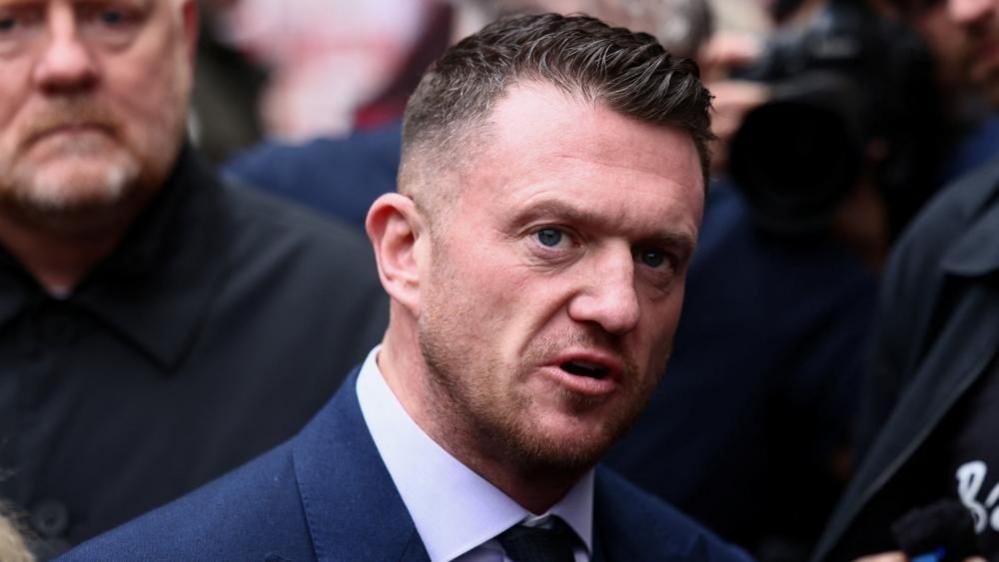
Tommy Robinson YouTube and Online Presence
Digital media has been central to Robinson’s influence. His YouTube content historically included:
- Political commentary
- Street interviews
- Protest footage
- Documentary-style reports
However, major platforms repeatedly removed or restricted his accounts for policy violations. Consequently, Robinson shifted toward alternative platforms and direct supporter channels.
This migration reflects a broader trend among controversial political figures who maintain audiences outside mainstream tech ecosystems.
Tommy Robinson Net Worth and Income Sources
Estimating Tommy Robinson’s net worth is difficult due to limited verified financial disclosures. Nevertheless, public estimates typically range between $1 million and $3 million.
His income sources reportedly include:
- Online donations
- Speaking engagements
- Book sales
- Documentary projects
- Supporter subscriptions
Unlike conventional politicians, Robinson’s finances depend heavily on grassroots funding and audience support. Therefore, income levels fluctuate according to visibility and controversy cycles.
Tommy Robinson Wife and Family Life
Tommy Robinson is married to Jenna Robinson. Despite her husband’s public prominence, she maintains a low public profile.
The couple has children, and Robinson has occasionally spoken about family pressures resulting from activism and legal issues.
Because of safety concerns and intense media scrutiny, details about his family remain limited. Nevertheless, Robinson often emphasizes family values and parental identity within his messaging.
Media Image and Public Perception
Public opinion about Tommy Robinson is deeply polarized.
Supporters typically view him as:
- A free speech defender
- A whistleblower on sensitive issues
- A representative of ignored communities
Critics often characterize him as:
- A far-right provocateur
- A source of social division
- An anti-Muslim activist
This stark contrast illustrates how modern political figures can embody entirely different meanings for different audiences.
Influence on UK Political Discourse
Regardless of approval or criticism, Robinson has influenced several debates in Britain:
- Grooming gang scandals
- Immigration policy criticism
- Cultural integration concerns
- Online censorship issues
Some analysts argue he forced mainstream media to address topics previously marginalized. Others argue he distorted complex issues through inflammatory framing.
Either way, his role in shaping narrative attention is widely acknowledged.
Why Tommy Robinson Is Controversial
Several factors explain Robinson’s enduring controversy:
First, his rhetoric about Islam and immigration is blunt and confrontational.
Second, his activism style relies on public provocation and media spectacle.
Third, repeated legal cases reinforced perceptions of conflict with authorities.
Fourth, far-right associations allegations persist despite denials.
Finally, platform bans amplified free-speech debates around him.
Together, these elements ensure ongoing polarization and visibility.
Support Base and Audience
Tommy Robinson’s supporters often include:
- Anti-immigration activists
- Free speech campaigners
- Populist nationalist groups
- Disaffected working-class voters
Digital media allowed his message to reach audiences beyond the UK, particularly in Europe and North America.
Consequently, Robinson became part of a transnational populist discourse rather than solely a local British figure.
Books, Films, and Media Projects
Robinson has authored autobiographical works and appeared in documentaries chronicling his activism journey. These projects usually emphasize:
- Personal transformation
- Political awakening
- Alleged institutional failures
- Cultural conflict narratives
Supporters view these works as investigative storytelling. Critics consider them propaganda.
Nevertheless, media production remains a key component of his influence strategy.
Social Media Strategy After Bans
Following restrictions on mainstream platforms, Robinson adopted alternative communication channels such as independent video sites, encrypted messaging apps, and direct supporter networks.
This decentralized media approach offers several advantages:
- Reduced censorship risk
- Direct audience engagement
- Financial independence
- Narrative control
However, it also limits exposure to broader mainstream audiences.
Criticism and Human Rights Concerns
Human rights organizations and many journalists criticize Robinson’s messaging. They argue his statements contribute to stigmatization of Muslim communities and exacerbate social tensions.
They also highlight concerns about misinformation and selective framing of crime statistics.
Conversely, Robinson and his supporters argue that criticism reflects establishment attempts to silence dissenting voices.
Thus, debate around him often centers on boundaries between free speech and harmful rhetoric.
Role in Free Speech Debate
Tommy Robinson’s story intersects strongly with modern free speech controversies. His platform bans, arrests, and media treatment are frequently cited in arguments about censorship, political bias, and digital regulation.
Supporters claim he represents suppressed viewpoints. Critics argue moderation protects vulnerable communities.
Therefore, Robinson functions not only as an activist but also as a symbolic case study in contemporary speech politics.
International Attention and Global Impact
Although primarily a UK figure, Robinson gained international recognition through:
- Global media coverage
- Foreign speaking tours
- Online viral content
- Political alliances abroad
His message resonated with segments of populist movements across Western countries.
Consequently, he became part of a wider global narrative about nationalism, identity, and migration.
Future Political Influence
Experts disagree about Robinson’s long-term political significance.
Some argue his influence will decline without mainstream political integration. Others believe his narratives will persist through digital networks and grassroots activism.
Even if Robinson himself fades from prominence, the themes he amplified—immigration anxiety, cultural identity, and speech freedom—are likely to remain central in Western politics.
Conclusion
Tommy Robinson remains one of Britain’s most controversial and polarizing activists. Born Stephen Yaxley-Lennon in Luton, he rose from local protest organizer to globally recognized political figure.
His activism around immigration, Islamism, and free speech has shaped debates, mobilized supporters, and provoked intense criticism.
From marches and media battles to legal controversies and digital platforms, Robinson’s career illustrates how modern political influence can emerge outside traditional party structures.
Whether viewed as a defender of free expression or a divisive provocateur, his impact on contemporary political discourse is undeniable.