






Freelancing often sounds simple at first — work from home, choose your clients, and earn independently. However, the reality feels very different for most beginners. Many freelancers create profiles, send proposals daily, and still receive no replies. Even when clients respond, they often negotiate low rates or disappear, which increases frustration. If this situation feels familiar, you are not alone. In fact, most beginners struggle not because they lack skill, but because they follow outdated or ineffective freelancing tips. Therefore, this guide shares freelancing tips that actually work in today’s competitive market, helping you position yourself correctly, attract serious clients, and build long-term freelancing success with clarity and confidence.
What Most Freelancing Advice Gets Wrong
Many freelancing articles sound motivational.
However, they ignore how clients actually choose freelancers.
Common advice includes:
- Create a profile and wait
- Send more proposals
- Charge very low rates
Although this sounds logical, it creates false expectations.
In reality, freelancing success is not about luck, speed, or cheap pricing.
Instead, it depends on trust, positioning, and perceived value.
Most freelancers fail because they:
- List skills instead of solving problems
- Copy generic proposals
- Compete only on price
- Ignore client psychology
Consequently, clients cannot differentiate them from hundreds of others.
Real freelancing tips focus on clarity, specialization, and results.
Once this shift happens, opportunities increase naturally.
The Real Reason Freelancers Struggle to Get Clients
Freelancers often assume lack of experience is the problem.
However, the real issue is perception.
Clients think:
“Why should I hire this person instead of others?”
If your profile looks generic, trust stays low.
Similarly, unclear messaging creates doubt.
Many beginners describe themselves like this:
“I am a writer, designer, and marketer.”
Although this shows versatility, it weakens positioning.
Clients prefer specialists who understand specific problems.
Therefore, the core problem is not skill — it is positioning.
When positioning improves, response rates increase dramatically.
Freelancing Tips That Actually Work (Step-by-Step)
1. Choose One Skill and One Problem
First, clarity beats variety.
Freelancers who offer many services appear unfocused.
On the other hand, specialists appear trustworthy.
Weak positioning example:
“I do content writing, SEO, and social media.”
Strong positioning example:
“I help small businesses get website traffic through SEO blog content.”
Notice the difference.
Clear positioning answers:
- Who you help
- What problem you solve
- What result they get
As a result, clients instantly understand value.
2. Optimize Your Profile for Clients, Not Algorithms
Many freelancers write profiles for platforms.
However, clients read profiles to reduce risk.
Therefore, your profile must quickly communicate benefit.
A strong profile includes:
- Clear headline with outcome
- Short benefit-focused summary
- Specific work examples
- Simple language
For instance:
Weak:
“Experienced digital marketer with multiple skills.”
Strong:
“I help startups increase website traffic through SEO content.”
Consequently, clarity builds confidence before conversation even starts.
3. Write Proposals That Feel Personal and Relevant
Generic proposals fail immediately.
Clients recognize copy-paste messages instantly.
Instead, effective proposals follow a simple structure:
- Mention their problem
- Show understanding
- Offer solution
- Suggest next step
Example:
“I noticed your blog lacks SEO optimization. I specialize in ranking articles for search traffic. I can improve your existing posts and increase visibility. Would you like a quick audit?”
Notice the focus.
The proposal talks about the client — not the freelancer.
Therefore, response rates increase even with fewer applications.
4. Build Trust Before Selling
Freelancing is trust-based.
Clients hire confidence, not claims.
Therefore, credibility signals matter:
- Portfolio samples
- Case examples
- Niche content posts
- Testimonials
- Clear communication
Even beginners can create mock projects.
For example, redesign a website or rewrite content.
As a result, perceived experience increases.
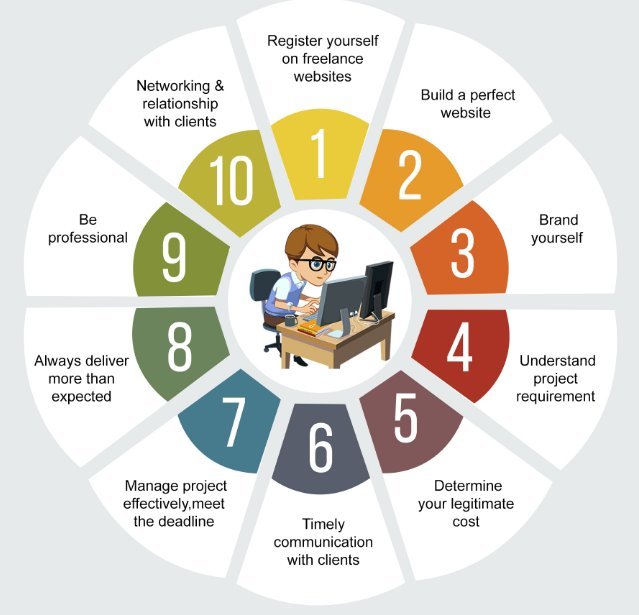
5. Stop Competing on Price
Many beginners believe low rates attract clients.
However, cheap pricing attracts low-quality clients.
Low-budget clients often:
- Demand more revisions
- Delay payments
- Ignore boundaries
Instead, fair pricing communicates value.
Clients associate price with expertise.
Therefore, reasonable rates build respect and seriousness.
Even without experience, positioning allows mid-range pricing.
Modern Freelancing Tips for 2026 Market
Freelancing has evolved significantly.
Therefore, strategies must adapt.
Communication Matters More Than Skill
Clients prefer freelancers who communicate clearly.
Fast responses create reliability perception.
Even average skill with strong communication wins projects.
Personal Branding Increases Visibility
Freelancers who share insights online attract inbound leads.
LinkedIn and niche platforms build authority.
Even small content posts increase trust.
Long-Term Clients Beat One-Time Projects
Stable income comes from recurring clients.
Therefore, relationship focus beats constant bidding.
Retention reduces marketing effort dramatically.
AI Supports Freelancers — Not Replaces Them
AI tools improve speed and efficiency.
However, clients still value judgment and creativity.
Smart freelancers use AI to enhance output — not replace thinking.
Why These Freelancing Tips Work Better
Traditional advice focuses on volume.
However, modern freelancing rewards positioning.
Old approach:
Send 50 proposals daily.
New approach:
Send 5 targeted proposals with value.
Quality improves conversion and reduces burnout.
Therefore, strategic freelancing outperforms effort-based freelancing.
Beginner Freelancing Mistakes to Avoid
Many freelancers repeat predictable errors.
Common mistakes include:
- Offering too many services
- Copying proposals
- Ignoring niche selection
- Pricing too low
- Weak profile messaging
Although these seem minor, they reduce credibility.
Avoiding these mistakes accelerates growth significantly.
How to Get Your First Freelance Client
Getting the first client feels hardest.
However, structured steps simplify the process.
First, define one service clearly.
Next, create 2–3 work samples.
Then, optimize your profile headline.
After that, send targeted proposals.
Additionally, reach out to existing contacts.
Often, first projects come from network connections.
Consistency matters more than speed.
Eventually, one yes changes momentum completely.
How to Build Long-Term Freelance Success
Freelancing becomes sustainable through systems.
Important factors include:
- Client onboarding process
- Clear scope definition
- Consistent communication
- Deadline reliability
- Feedback loops
Professional process increases repeat work.
Therefore, freelancers evolve into trusted partners.
Scaling Freelancing Beyond Beginner Level
Once stable, freelancers can grow strategically.
Growth paths include:
- Higher pricing
- Narrower niche
- Authority content
- Retainer clients
- Digital products
Instead of more work, focus shifts to better work.
Consequently, income grows without burnout.
Daily Freelancing Habits That Increase Success
Small habits compound over time.
Effective daily habits:
- Skill practice
- Portfolio improvement
- Outreach consistency
- Learning trends
- Client follow-ups
Even 30–60 minutes daily builds momentum.
Consistency beats intensity in freelancing.
Freelancing Mindset That Changes Everything
Mindset determines persistence.
Freelancing includes rejection, silence, and uncertainty.
However, each failure provides data.
Successful freelancers analyze outcomes.
They refine positioning continuously.
Therefore, growth becomes inevitable.
Freelancing rewards patience and adaptation.
Quick Freelancing Checklist
Use this checklist immediately:
- Choose one niche
- Define one service
- Optimize profile headline
- Create 3 samples
- Personalize proposals
- Set fair pricing
- Focus on relationships
Small improvements create large results.
Frequently Asked Questions About Freelancing Tips
How long does freelancing success take?
Most freelancers see results within 3–6 months with consistent strategy and positioning.
Should beginners charge low rates?
Low pricing attracts poor clients. Fair beginner rates with value work better.
Which platform is best for freelancing?
Upwork, Fiverr, and LinkedIn all work. Strategy matters more than platform choice.
Can freelancing become full-time?
Yes. Many freelancers earn more than traditional jobs through specialization and long-term clients.
Is experience necessary to start freelancing?
No. Clear positioning and strong samples can replace formal experience initially.
Final Thoughts
Freelancing feels difficult when direction is unclear.
However, it becomes powerful with correct strategy.
You do not need luck.
You do not need perfection.
Instead, you need:
- clarity
- positioning
- consistency
Start small.
Improve weekly.
Stay persistent.
Over time, freelancing transforms from struggle to freedom.
Clients notice value.
Opportunities grow.
Confidence builds.
Freelancing rewards those who think long-term and act consistently.