





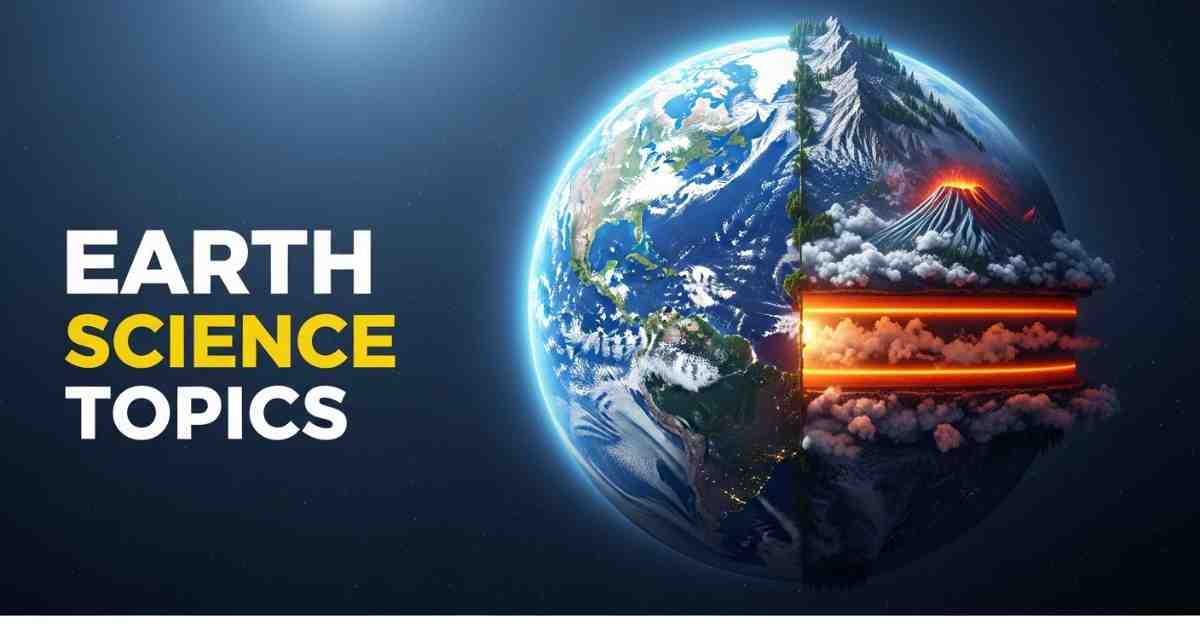
Earth science topics help us understand how our planet works and how natural systems affect daily life.
In today’s fast-changing world, learning about Earth is more important than ever.
Moreover, natural events like climate change, earthquakes, and floods directly impact people, cities, and economies.
Although many students find Earth science confusing, the truth is simple:
Earth science explains the processes that shape our planet and support life.
Therefore, this guide breaks down the most important earth science topics in a clear and beginner-friendly way.
Whether you are a student, blogger, or curious learner, this article will help you build strong basic knowledge.
What Is Earth Science?
Earth science is the study of Earth and everything connected to it.
In other words, it focuses on land, water, air, and life systems.
Generally, Earth science includes four main branches:
- Geology (study of rocks and Earth’s structure)
- Meteorology (study of weather and atmosphere)
- Oceanography (study of oceans and marine systems)
- Environmental science (study of ecosystems and human impact)
Together, these branches explain how Earth changes over time and how humans affect natural systems.
Why Earth Science Topics Matter
Many people think Earth science is only for students.
However, this knowledge affects everyone.
For example:
- Climate change influences food production
- Earthquakes affect city safety
- Pollution impacts health
- Water cycles affect agriculture
As a result, learning earth science topics improves awareness and responsible decision-making.
In addition, it helps people understand environmental challenges and future risks.
Core Earth Science Topics Explained Simply
1. Climate Change
Climate change refers to long-term changes in temperature and weather patterns.
While natural factors play a role, human activities have accelerated these changes.
Key points:
- Rising global temperatures
- Melting glaciers
- Rising sea levels
- Extreme weather events
Because of climate change, ecosystems are under pressure.
Therefore, understanding this topic helps people adopt sustainable habits.
2. Weather and Meteorology
Weather describes daily atmospheric conditions like rain, heat, and wind.
Meanwhile, meteorology studies weather patterns and forecasting methods.
Important concepts:
- Air pressure
- Temperature changes
- Storm formation
- Weather forecasting
Although weather changes daily, long-term patterns help predict climate trends.
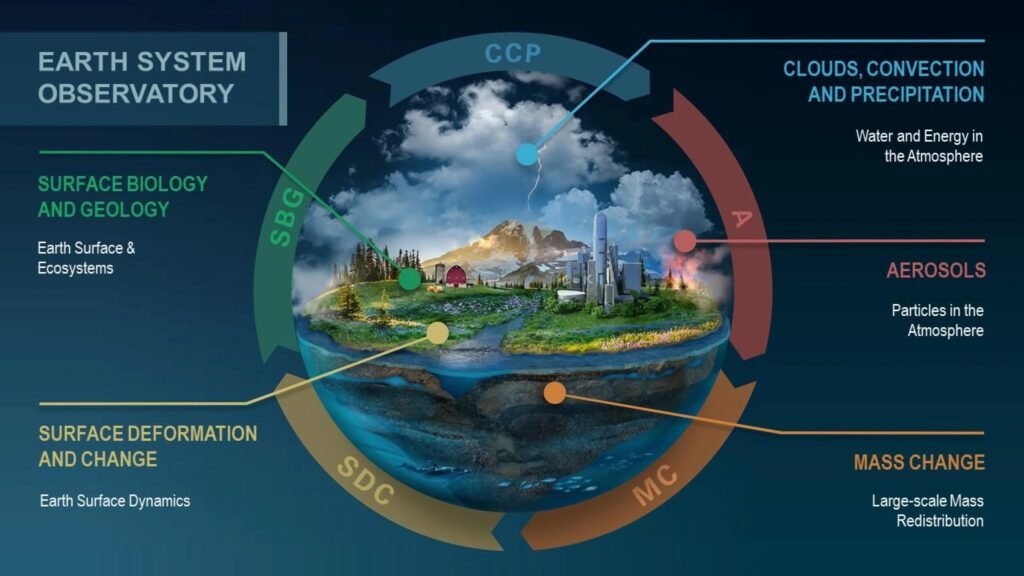
3. Earthquakes and Plate Tectonics
Earthquakes occur due to movements in Earth’s crust.
Specifically, tectonic plates shift and release energy.
Main ideas:
- Plate boundaries
- Fault lines
- Seismic waves
- Earthquake measurement
As a result, regions near plate boundaries experience more earthquakes.
Therefore, earthquake knowledge helps improve disaster preparedness.
4. Volcanoes
Volcanoes form when molten rock rises from Earth’s interior.
In some regions, volcanic activity shapes landscapes and soil fertility.
Key points:
- Active vs dormant volcanoes
- Lava and magma
- Volcanic eruptions
- Impact on climate
Although volcanoes are dangerous, volcanic soil supports agriculture in many countries.
5. Rocks and Minerals
Rocks and minerals form Earth’s solid structure.
Geology studies how these materials form and change.
Rock types:
- Igneous
- Sedimentary
- Metamorphic
Because rocks record Earth’s history, scientists use them to study past climates and events.
6. The Water Cycle
The water cycle explains how water moves between land, air, and oceans.
For instance, evaporation turns water into vapor, while precipitation returns it to Earth.
Main stages:
- Evaporation
- Condensation
- Precipitation
- Collection
As a result, water remains in constant motion, supporting life systems.
7. Oceans and Oceanography
Oceans cover most of Earth’s surface.
Moreover, they regulate temperature and support marine life.
Ocean science includes:
- Ocean currents
- Marine ecosystems
- Coral reefs
- Ocean pollution
Since oceans control climate balance, protecting them is critical for global health.
8. Natural Resources
Natural resources include water, minerals, forests, and fossil fuels.
However, overuse creates shortages and environmental damage.
Examples:
- Renewable resources
- Non-renewable resources
- Sustainable usage
- Conservation strategies
Therefore, resource management ensures long-term survival.
9. Environmental Pollution
Pollution harms ecosystems and human health.
For example, air pollution affects breathing, while water pollution damages marine life.
Types of pollution:
- Air
- Water
- Soil
- Noise
Consequently, environmental science promotes cleaner technologies and habits.
10. Soil and Agriculture
Soil supports plant growth and food systems.
In addition, soil quality affects water filtration and biodiversity.
Key concepts:
- Soil types
- Nutrient cycles
- Soil erosion
- Sustainable farming
Healthy soil leads to strong food security and stable ecosystems.
Best Earth Science Topics for Students & Projects
If you need project ideas, consider these topics:
- Climate change impacts
- Volcano formation
- Earthquake safety
- Ocean pollution
- Renewable energy
- Water conservation
- Soil erosion
- Weather forecasting
Each topic allows research, diagrams, and real-world examples.
How Earth Science Helps in Daily Life
Earth science improves daily decisions.
For instance, weather knowledge helps plan travel.
Similarly, understanding pollution encourages eco-friendly habits.
Moreover, earth science promotes awareness of global challenges.
Therefore, people become more responsible citizens.
How to Learn Earth Science Easily
Learning earth science does not require expensive tools.
Instead, simple resources work well.
You can use:
- Educational websites
- Documentaries
- Free online courses
- School textbooks
In addition, observing nature builds curiosity and understanding.
Final Thoughts
Earth science topics explain how our planet works and why protecting it matters.
Although the subject covers many areas, starting with basic concepts builds confidence.
Overall, consistent learning leads to awareness and smarter choices.
Therefore, exploring earth science today helps protect tomorrow.
Frequently Asked Questions (FAQs)
What are earth science topics?
Earth science topics include subjects related to Earth, such as climate change, weather, geology, oceans, and environmental science.
Why is earth science important?
Earth science helps people understand natural processes and environmental challenges that affect daily life and future sustainability.
Which earth science topic is best for beginners?
Climate change, weather, and the water cycle are beginner-friendly and easy to understand.
Is earth science useful for careers?
Yes. Earth science supports careers in environmental studies, geology, meteorology, and sustainability fields.
How can I study earth science easily?
You can start with simple guides, online resources, and documentaries to build basic understanding.