




Anime girls are among the most recognizable and beloved characters in global animation culture. From heroic warriors and magical fighters to shy students and futuristic idols, these characters represent a wide spectrum of personality, design, and storytelling depth.
Because anime originates from Japan’s rich visual storytelling tradition, female characters often combine expressive emotion, stylized beauty, and meaningful character development. As a result, anime girls have become iconic across entertainment, fashion, art, and online culture.
This complete guide explains what anime girls are, why they are popular, common character types, aesthetic styles, and their influence in modern media.
What Are Anime Girls?
Anime girls are female characters appearing in Japanese animation (anime) and comics (manga). Typically, they feature stylized visual traits such as large expressive eyes, colorful hair, and distinctive fashion or fantasy elements.
However, anime girls are not limited to appearance alone. In fact, they often represent specific personality archetypes, emotional themes, or story roles. Therefore, fans connect with them not only visually but also emotionally.
For example, some anime girls symbolize courage and independence, while others represent kindness, intelligence, or mystery. Because of this diversity, audiences across cultures easily relate to them.
Why Anime Girls Are So Popular Worldwide
Anime girls have gained global popularity for several clear reasons. Although animation exists in many countries, Japanese anime uniquely blends character design with emotional storytelling.
1. Expressive Character Design
Anime artists exaggerate facial features to show emotion clearly. Consequently, viewers instantly recognize feelings like joy, embarrassment, anger, or sadness. This emotional clarity makes characters memorable.
2. Distinct Personalities
Unlike generic cartoon characters, anime girls often have layered personalities. For instance, a character may appear cold but secretly caring. Similarly, a cheerful character may hide insecurity. These contrasts create depth.
3. Variety of Roles
Anime girls appear in nearly every genre:
- action
- romance
- fantasy
- sci-fi
- school life
- horror
- adventure
Therefore, fans with different interests can always find relatable characters.
4. Strong Emotional Stories
Many anime narratives focus on growth, friendship, sacrifice, or dreams. Because anime girls often lead or shape these stories, audiences form strong attachments.
Common Types of Anime Girls (Character Archetypes)
Anime uses recognizable personality patterns called archetypes. Although each character is unique, many share core traits. Understanding these types helps viewers appreciate character design.
Tsundere
A tsundere character appears cold or harsh initially but later reveals warmth and affection. Consequently, their emotional shift becomes a key appeal.
Typical traits:
- defensive attitude
- hidden kindness
- gradual emotional openness
Fans enjoy tsundere characters because they show vulnerability beneath strength.
Kuudere
Kuudere characters remain calm, logical, and emotionally controlled. However, subtle caring actions reveal deeper feelings.
Typical traits:
- quiet personality
- minimal expression
- rational thinking
- rare emotional moments
This contrast between stoic behavior and hidden warmth creates intrigue.
Yandere
Yandere characters appear loving and devoted. However, their affection can become obsessive or dangerous. Therefore, they combine romance with psychological intensity.
Typical traits:
- extreme devotion
- possessiveness
- emotional instability
- protective behavior
Because of this dual nature, yandere characters feel unpredictable and dramatic.
Genki Girl
Genki girls are energetic, cheerful, and optimistic. They often bring humor and positivity to stories.
Typical traits:
- high energy
- friendliness
- enthusiasm
- emotional honesty
Consequently, they create uplifting dynamics in group settings.
Dandere
Dandere characters are shy and socially anxious. However, they gradually open up to trusted people.
Typical traits:
- quietness
- sensitivity
- introversion
- emotional depth
Their gentle growth arc makes them relatable to many viewers.
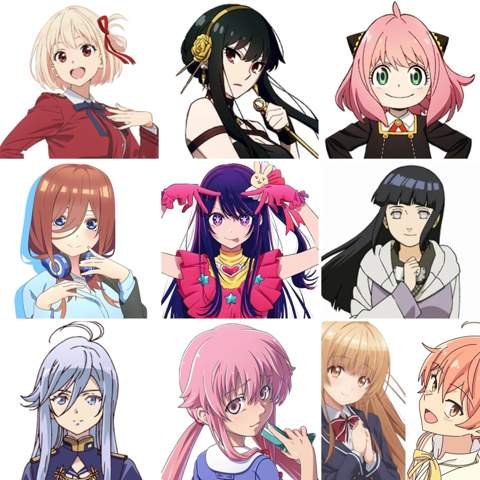
Popular Anime Girls Known Worldwide
Certain anime girls have become cultural icons due to memorable stories and strong fan attachment.
Sailor Moon
A magical warrior symbolizing courage, friendship, and justice. She helped popularize anime globally.
Asuna Yuuki
A skilled fighter combining strength and compassion. She represents partnership and loyalty.
Mikasa Ackerman
Known for combat ability and emotional loyalty, she embodies resilience and devotion.
Nezuko Kamado
A gentle yet powerful character balancing humanity and supernatural transformation.
These characters demonstrate how anime girls can be heroic, emotional, and visually distinctive simultaneously.
Anime Girl Aesthetic Styles
Beyond personality, anime girls are admired for visual aesthetics. Different art styles create different emotional impressions.
Cute (Kawaii)
Soft features, pastel colors, and innocence define the kawaii style. Consequently, characters feel comforting and approachable.
Common elements:
- round eyes
- small noses
- gentle expressions
- playful outfits
Elegant
Elegant anime girls emphasize grace and refinement. Artists use flowing hair, detailed clothing, and calm posture.
Common elements:
- long hair
- refined fashion
- composed expressions
- mature presence
Cool / Warrior
Action-oriented characters emphasize strength and confidence. Therefore, their design includes sharper features and dynamic clothing.
Common elements:
- armor or combat wear
- sharp eyes
- athletic posture
- bold colors
Dark / Gothic
Some anime girls reflect mystery or melancholy. Consequently, darker palettes and dramatic contrasts dominate.
Common elements:
- black clothing
- pale skin tones
- serious expressions
- supernatural themes
Cultural Influence of Anime Girls
Anime girls influence more than entertainment. Over time, they have shaped fashion, art, and digital culture worldwide.
Cosplay Culture
Fans recreate anime girl outfits at conventions. Because designs are distinctive, cosplay communities thrive globally.
Digital Art and Illustration
Online artists frequently draw anime girls to practice anatomy, color, and expression. Therefore, anime style has become a global art form.
Fashion Inspiration
Certain anime designs inspire real clothing trends, especially in street fashion and alternative styles.
Social Media Aesthetics
Anime girl imagery dominates wallpapers, avatars, and edits. Consequently, they remain central in online fan culture.
Why Fans Emotionally Connect With Anime Girls
Visual appeal alone does not explain anime popularity. Instead, emotional storytelling creates attachment.
Firstly, anime girls often face struggles, fears, or growth journeys. Therefore, viewers empathize with them.
Secondly, their personalities feel exaggerated yet authentic. As a result, emotions appear clear and relatable.
Finally, long-form storytelling allows character development over time. Consequently, viewers feel companionship.
This combination of design and narrative explains lasting fan loyalty.
Anime Girls in Different Genres
Different anime genres portray female characters uniquely.
Action Anime
Characters emphasize strength and combat skill. However, emotional motivations still matter.
Romance Anime
Focus shifts to relationships and vulnerability. Therefore, subtle expressions dominate.
Fantasy Anime
Design includes magical or mythical elements. Consequently, characters appear otherworldly.
Slice-of-Life Anime
These characters feel realistic and relatable. Daily life situations shape personality.
How Anime Artists Design Female Characters
Creating anime girls involves both artistic and psychological planning.
Step 1: Personality Concept
Artists define core traits first. Because personality guides design, visuals match character role.
Step 2: Silhouette and Shape
Soft shapes suggest kindness, while sharp angles suggest intensity. Therefore, shape language communicates personality instantly.
Step 3: Color Palette
Color conveys mood:
- warm colors → energy
- cool colors → calmness
- dark colors → mystery
Step 4: Facial Expression Range
Artists design multiple emotional states. Consequently, characters feel alive during animation.
The Evolution of Anime Girls Over Time
Anime female characters have changed significantly across decades.
Earlier anime emphasized innocence and simplicity. However, modern anime shows broader personality diversity and stronger independence.
Today’s anime girls often lead stories, fight battles, or pursue personal goals. Therefore, representation has expanded beyond traditional roles.
Misconceptions About Anime Girls
Some misunderstand anime characters due to limited exposure.
Myth: Anime girls are only cute
Reality: They represent many personalities including warriors, scientists, leaders, and rebels.
Myth: Anime is only for children
Reality: Many anime stories target adults with complex themes.
Myth: All characters look the same
Reality: Styles vary widely across artists and genres.
Why Anime Girls Remain Timeless
Several factors ensure continued popularity.
Firstly, artistic flexibility allows endless new designs.
Secondly, emotional storytelling creates lasting connection.
Moreover, global fan communities sustain interest.
Finally, digital media spreads anime culture rapidly.
Because these factors persist, anime girls remain culturally relevant.
How to Explore Anime Girls as a Beginner
If you are new to anime, starting can feel overwhelming. However, a simple approach works best.
- Choose a genre you enjoy
- Watch one popular series
- Notice character personalities
- Explore fan art or discussions
Gradually, familiarity grows and preferences develop.
Final Thoughts
Anime girls combine expressive art, diverse personality, and emotional storytelling. Consequently, they have become iconic figures across global pop culture.
Whether heroic, gentle, mysterious, or energetic, these characters reflect human emotions through stylized design. Therefore, audiences connect with them deeply.
Ultimately, anime girls represent more than animation. They symbolize imagination, identity, and storytelling creativity that transcends borders.